


Why Choose Us?
Professional Technical Team
Our sample team consists of seasoned artisans and technicians with extensive experience in the knitwear industry. Each member is proficient in advanced knitting techniques, has a deep understanding of yarn characteristics, and possesses a keen eye for detail. This expertise enables them to accurately interpret complex designs and translate them into high-quality samples that adhere strictly to our clients' specifications.
Reliable Product Quality
Quality control is a cornerstone of our manufacturing process. We have implemented advanced quality control mechanisms at every stage of production, from the initial selection of raw materials to the final inspection of finished products. Maintaining high standards with a low percentage of defects is paramount to our operations. Our rigorous quality control systems are designed to ensure that each product meets the highest standards of quality before it reaches our clients.
Excellent Customer Service
Our team works closely with clients to understand their vision and requirements, offering professional guidance to enhance their designs. Open communication and responsiveness to client feedback are integral to our approach. We value the insights of our clients and strive to incorporate their suggestions into the samples. This collaborative method fosters innovation and creativity, resulting in unique and high-quality knitwear that stands out in the market.
Rich Experience
Velafay Knitting Factory was founded in 2001 with a clear vision: to integrate traditional knitting craftsmanship with modern technological advancements. A significant milestone in our history occurred in 2011 when we underwent a strategic reform. We began to focus heavily on producing true knit sweaters, specializing in gauges ranging from 3GG to 12GG. This specialization allowed us to cater to a niche market with high demand for quality and precision.
What is Fancy Yarn Sweater?
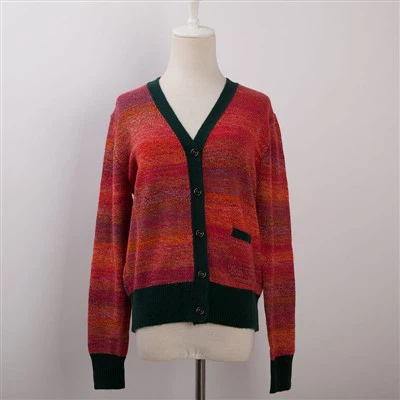
Fancy yarn sweater refers to a sweater or pullover that is made using specialty or novelty yarns, which can give the garment a unique and visually interesting appearance. Fancy yarn sweaters are often characterized by a unique, eye-catching appearance and an interesting tactile quality. Fancy yarn sweaters are often sought after by fashion-conscious individuals who appreciate the artistic and unique qualities of these garments.
-

Space dye sweaters represent a perfect fusion of color, creativity, and comfort. The advanced dyeing technique used to create space dye yarns opens up endless possibilities for designers, allowing
Add to Inquiry -
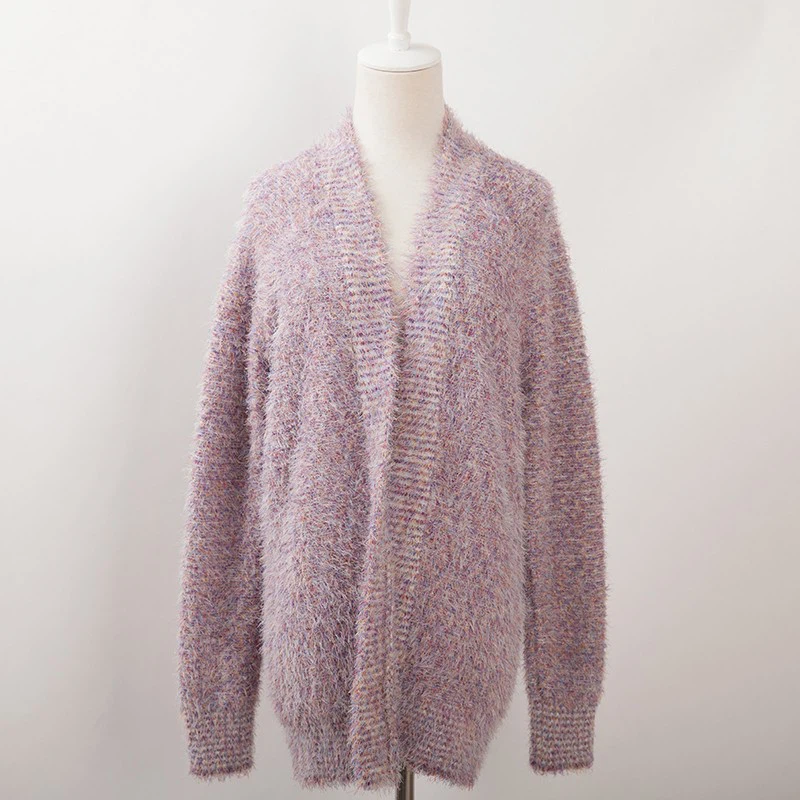
Feather yarn sweaters are renowned for their softness, high stretch rate, and luxurious feel. Blended from mohair, polyester, and acrylic, these sweaters offer a combination of durability, comfort,
Add to Inquiry -
Slub yarn sweaters captivate with their unique texture, blending rustic charm and modern fashion effortlessly. Crafted from yarn with intentional thickness variations, they offer a visually striking,
Add to Inquiry -
Lurex sweaters, also known as shimmer or metallic sweaters, are celebrated for their distinctive sparkle and texture. Woven with lurex or metallic yarns, they offer a unique, radiant quality that has
Add to Inquiry -
Sequins sweaters are more than just a fashion trend; they are a testament to the innovation and creativity within the fashion industry. Their ability to combine elegance with practicality makes them
Add to Inquiry


Advantages of Fancy Yarn Sweater
Oversized and Cozy Styles
One of the major trends in recent years is the oversized fancy yarn sweater. This style emphasizes comfort and relaxation, often characterized by loose, flowing silhouettes. Oversized sweaters are popular for their casual, laid-back vibe and their ability to layer effortlessly with other pieces.
Color and Design Variety
Fancy yarn sweaters are available in a wide range of colors and designs, from vibrant hues to subtle pastels. This variety allows for versatility in fashion choices, making fancy yarn sweaters suitable for various occasions, from casual outings to more polished looks.
Layering and Styling
Fancy yarn sweaters are often featured in layering outfits, combining with jeans, skirts, or leggings. The fabric’s plush texture adds depth and interest to layered outfits, making it a favored choice for creating visually appealing and comfortable ensembles.
Custom and Personalized Options
In recent years, personalized fancy yarn sweaters have gained traction. Custom options, such as sweaters with personalized embroidery or unique color combinations, allow individuals to create garments that reflect their personal style. This trend highlights the growing demand for personalized fashion items that offer a unique touch.
Historical Significance of Fancy Yarn Sweaters
Origins and Evolution
Fancy yarn fabric dates back to the 18th century, but it gained prominence in the 19th century when it began to be used in textiles. Initially, fancy yarn was made from silk or wool, but modern fancy yarn is typically produced using synthetic fibers, making it more affordable and accessible. The fabric’s ability to mimic the look and feel of more expensive materials contributed to its popularity.
Early Uses
In its early days, fancy yarn was primarily used in upholstery and home decor, including luxurious rugs and cushions. Its introduction to the fashion industry, particularly in sweater design, came later. The transition from home decor to fashion items like sweaters marked fancy yarn’s journey from a material associated with luxury to one embraced in everyday wear.

How to Stop Fancy Yarn Sweaters from Shedding?

Washing Techniques
Proper washing techniques are essential to minimize shedding in fancy yarn sweaters. Here are some tips to follow:
Always read the care label on your fancy yarn sweater to determine the appropriate washing method.
Hand washing is generally recommended for fancy yarn sweaters to prevent excessive agitation and friction that can contribute to shedding.
Use a gentle detergent specifically designed for delicate fabrics like chenille.
Fill a basin or sink with lukewarm water and add the detergent according to the instructions.
Submerge the sweater in the soapy water and gently agitate it for a few minutes.
Rinse the sweater thoroughly with lukewarm water until all the soap is removed.
Press out excess water without wringing or twisting the sweater.
Place the sweater on a clean towel and roll it up to absorb the remaining moisture.
Lay the sweater flat on a clean, dry towel or drying rack to air dry.
Avoid using harsh chemicals, bleach, or fabric softeners, as they can weaken the fibers and contribute to shedding.
Drying Techniques
The way you dry your fancy yarn sweater can also affect shedding. Follow these drying techniques:
Avoid using a dryer, as the high heat and tumbling action can cause the chenille fibers to become weak and prone to shedding.
Instead, gently squeeze out excess water and lay the sweater flat on a clean, dry towel or drying rack.
Reshape the sweater to its original dimensions, smoothing any wrinkles or creases.
Allow the sweater to air dry naturally in a well-ventilated area, away from direct sunlight or heat sources.


Proper Storage
Proper storage of your fancy yarn sweater is crucial in preventing shedding and maintaining its quality. Here are some tips for optimal storage:
Ensure the sweater is clean and completely dry before storing it to prevent odor or mold growth.
Choose a storage location that is cool, dry, and away from direct sunlight or humidity.
Fold the sweater neatly to avoid creases or stretching.
Store the sweater in a breathable garment bag or a clean, airtight container with acid-free tissue paper or anti-moth sachets.
How to Get Pilling off of Fancy Yarn Sweaters?
One of the most efficient ways to remove pilling from sweaters is by using a sweater shaver. A sweater shaver is a small handheld device that gently removes the pills from the fabric's surface without causing damage.
● Start by ensuring that your sweater is clean and dry.
● Plug in your sweater shaver or make sure it has batteries.
● Place the sweater on a flat surface and stretch it slightly to make the fabric taut.
● Gently move the sweater shaver in a circular motion across the pilling areas. Apply light pressure to remove the pills.
● Empty the lint compartment of the sweater shaver regularly to maintain its effectiveness.
● Using a sweater shaver is a quick and effective method to remove pilling, leaving your sweater looking clean and rejuvenated.
Another method to remove pilling from sweaters is by using a sweater stone or a pumice stone. This method is particularly useful for wool sweaters.
● Ensure that your sweater is dry and clean.
● Gently lay the sweater on a flat surface and pull the fabric slightly taut.
● Take the sweater stone or pumice stone and rub it in one direction over the pilling areas of the sweater.
● Apply light pressure and keep the strokes consistent to remove the pills effectively.
● Repeat this process until you have removed all the pilling from the sweater.
● A sweater stone or pumice stone is a natural alternative to a sweater shaver and can effectively remove pilling from wool sweaters.
A fabric razor, also known as a fabric shaver or lint shaver, is another tool that can help remove pilling from sweaters. This method is suitable for more delicate fabrics like cashmere or merino wool.
● Ensure that your sweater is clean and dry.
● Hold the fabric razor at a slight angle and gently run it across the pilling areas of the sweater.
● Apply light pressure and let the razor do the work. Be cautious not to press too hard to avoid damaging the fabric.
● Empty the razor's lint chamber frequently to maintain its efficiency.
● Continue until you have removed all the pilling from the sweater.
● A fabric razor is a handy tool for removing pilling from delicate fabrics, ensuring that your sweater remains in excellent condition.
Using a sweater comb or velour brush is another effective method to get rid of pilling on sweaters. This technique works well for both natural and synthetic fibers.
● Ensure that your sweater is clean and dry.
● Lay the sweater on a flat surface and gently stretch it to make the fabric taut.
● Hold the sweater comb or velour brush at a slight angle and brush it gently across the pilling areas.
● Apply light pressure and brush in one direction to remove the pills effectively.
● Continue until you have removed all the pilling from the sweater.
How to Clean Fancy Yarn Sweaters Without Washing?
Spot Cleaning With a Gentle Cleaner
Spot cleaning is a targeted approach to removing stains and dirt from specific areas of a sweater, without subjecting the entire garment to a full wash. To spot clean a sweater, you'll need a gentle cleaner suitable for the fabric. Start by blotting the stained area with a clean, white cloth to remove any excess liquid or dirt. Next, apply a small amount of the gentle cleaner to a clean cloth or sponge, and gently dab the stained area. Avoid rubbing vigorously, as this can damage the fabric. Instead, use a gentle patting motion to lift the stain. Once the stain has been treated, blot the area with a clean, damp cloth to remove any residue.
Use Fabric Refreshers or Odor Neutralizers
Another way to eliminate odors and freshen up sweaters without washing is by using fabric refreshers or odor neutralizers. These products are designed to eliminate unwanted smells without the need for water and detergent. They are available in spray or powder form and can be applied directly to the sweater. To use a fabric refresher or odor neutralizer, simply spray or sprinkle the product onto the sweater, focusing on areas that tend to absorb odors, such as the underarms or neckline. Allow the product to penetrate the fabric and air dry. Fabric refreshers and odor neutralizers are particularly effective in removing any lingering smells from sweaters made of wool or other natural fibers.
Steam Cleaning to Remove Odors and Wrinkles
Steam cleaning is a gentle and effective method for removing odors and wrinkles from sweaters without exposing them to water. It can be done using a professional garment steamer or a household steam iron with a steaming function. To steam clean a sweater, hang it on a sturdy hanger and set up your steaming equipment. Slowly and evenly pass the steam over the fabric, focusing on areas that require freshening up or have wrinkles. The heat and moisture from the steam will help to relax the fibers and remove odors and wrinkles.
Freeze Your Sweaters to Remove Odors
Freezing your sweaters is a surprising but effective technique to remove odors without washing. Place your sweater in a sealable plastic bag and remove as much air as possible before sealing it tightly. Place the bag in the freezer and leave it for at least 24 hours. The extreme cold temperature will help to kill any odor-causing bacteria and eliminate unpleasant smells. Once you remove the sweater from the freezer, allow it to return to room temperature before opening the bag. Shake the sweater gently to remove any ice crystals that may have formed, and it will be refreshed and ready to wear.
Tips for Hanging Fancy Yarn Sweaters Without Ruining Them

Use Gentle Hangers
Avoid using traditional hangers with sharp edges, as they can cause indentations and stretching. Opt for padded or velvet hangers instead, which provide a gentle grip and prevent slipping.

Fold Sweaters
If you want to avoid stretching altogether, consider folding your sweaters instead of hanging them. This method also helps maintain the shape of the sweater and prevents shoulder bumps.

Use Layering Techniques
If you prefer hanging your sweaters, use layering techniques to protect them. Place a layer of tissue paper or a clean cotton cloth between each sweater to prevent them from rubbing against each other and causing friction-induced damage.
Avoid Hanging Wet Sweaters
Never hang wet sweaters, as the weight of the water can cause stretching and distortion. Lay them flat on a clean towel to dry instead.
What to Do with Moth Eaten Fancy Yarn Sweaters?
Transform Your Sweaters into Cozy Scarves
A moth-eaten sweater can be repurposed into a warm and cozy scarf that will keep you stylish during the colder months. Cut out the undamaged sections of the sweater and sew them together to create a patchwork effect. You can incorporate multiple sweater colors and textures to make a unique and fashionable scarf. By adding buttons, tassels, or other embellishments, you can personalize your scarf even further. This DIY project not only allows you to utilize your moth-eaten sweaters but also offers a sustainable solution to reducing textile waste.
Create Fashionable Hats and Headbands
Another creative way to give your moth-eaten sweaters new life is by making fashionable hats and headbands. Start by cutting out the undamaged sections of the sweater fabric and repurposing them into hat patterns. With some basic sewing skills, you can create stylish beanies, berets, or even slouchy hats that perfectly complement your winter wardrobe.
Turn Sweaters into Coasters and Pot Holders
If you have moth-damaged sweaters with smaller areas of damage, repurposing them into coasters and pot holders is an excellent solution. Cut out squares or circles from undamaged sections of the sweater fabric and attach a backing using heat-resistant materials such as cork or insulated batting. Not only will these coasters and pot holders protect your surfaces and hands from hot items, but they will also add a cozy and unique touch to your kitchen decor.
Convert Sweaters into Stylish Mittens
Don't let moth-eaten sweaters keep your hands from staying warm during the colder months. Transform them into stylish mittens instead. Start by cutting out the undamaged portions of the sweater fabric, making sure they are large enough to fit your hand comfortably. You can use a mitten pattern as a guide, or if you don't have one, trace your hand onto a piece of paper and use that as a template. Cut two pieces of fabric for each mitten and sew them together, leaving an opening at the wrist. Once you've sewn the pieces together, turn the mittens right-side-out and add a cozy lining for extra warmth.
Our Factory
Velafay Knitting Factory was founded in 2001 with a clear vision: to integrate traditional knitting craftsmanship with modern technological advancements. This approach allowed us to offer products that maintain the charm and durability of classic knitwear while meeting contemporary fashion standards. Our early years were focused on establishing a strong foundation, building a team of skilled artisans, and acquiring initial machinery that could support our ambitious goals.

Ultimate FAQ Guide to Fancy Yarn Sweater
We're well-known as one of the leading fancy yarn sweater manufacturers and suppliers in China. If you're going to buy high quality fancy yarn sweater at competitive price, welcome to get quotation from our factory.
popular patterns of fancy yarn sweater, hang dry for fancy yarn sweater, fold and store for fancy yarn sweater