


Why Choose Us?
Professional Technical Team
Our sample team consists of seasoned artisans and technicians with extensive experience in the knitwear industry. Each member is proficient in advanced knitting techniques, has a deep understanding of yarn characteristics, and possesses a keen eye for detail. This expertise enables them to accurately interpret complex designs and translate them into high-quality samples that adhere strictly to our clients' specifications.
Reliable Product Quality
Quality control is a cornerstone of our manufacturing process. We have implemented advanced quality control mechanisms at every stage of production, from the initial selection of raw materials to the final inspection of finished products. Maintaining high standards with a low percentage of defects is paramount to our operations. Our rigorous quality control systems are designed to ensure that each product meets the highest standards of quality before it reaches our clients.
Excellent Customer Service
Our team works closely with clients to understand their vision and requirements, offering professional guidance to enhance their designs. Open communication and responsiveness to client feedback are integral to our approach. We value the insights of our clients and strive to incorporate their suggestions into the samples. This collaborative method fosters innovation and creativity, resulting in unique and high-quality knitwear that stands out in the market.
Rich Experience
Velafay Knitting Factory was founded in 2001 with a clear vision: to integrate traditional knitting craftsmanship with modern technological advancements. A significant milestone in our history occurred in 2011 when we underwent a strategic reform. We began to focus heavily on producing true knit sweaters, specializing in gauges ranging from 3GG to 12GG. This specialization allowed us to cater to a niche market with high demand for quality and precision.
What is Novelty Sweater?
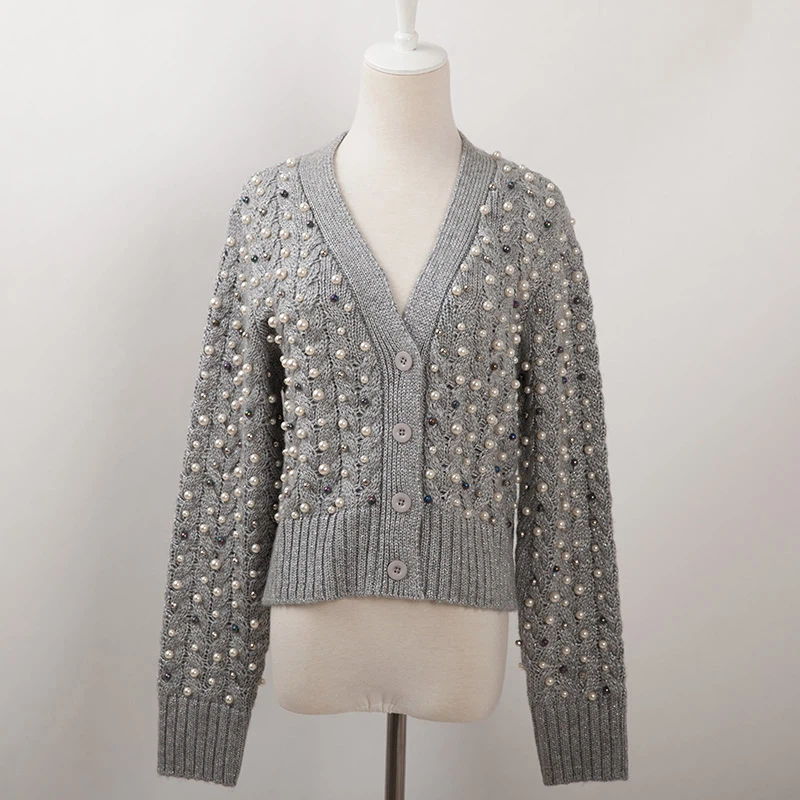
Novelty sweater is a sweater or knitted garment that features an unusual, whimsical, or eye-catching design that departs from traditional sweater styles. The primary purpose of a novelty sweater is to stand out and attract attention, rather than solely providing warmth or comfort.
-

Crochet Sweaters combine traditional craftsmanship with modern fashion, creating wearable art that reflects cultural heritage and artisan skill. These versatile sweaters suit various occasions, from
Add to Inquiry -
The Ottoman Sweater is a garment that encapsulates a rich history, sophisticated design, and cultural significance. Its intricate geometric patterns and luxurious texture make it a unique addition to
Add to Inquiry -
Women's Pointelle Sweater is a quintessential example of how traditional knitting techniques can be combined with modern design to create a garment that is both stylish and functional. Its delicate
Add to Inquiry -
The Aran Sweater is more than just a piece of clothing; it is a cultural artifact that carries the legacy of the Aran Islands and the craftsmanship of its people. Its intricate patterns and rich
Add to Inquiry -
Women's Short Sleeve Sweater is a versatile and stylish garment that has firmly established itself as a wardrobe essential. Its ability to blend comfort with fashion makes it an ideal choice for
Add to Inquiry -
Vintage sweaters have carved out a significant niche in the fashion industry, offering a blend of history, quality, and style that resonates with modern consumers. Their timeless designs, superior
Add to Inquiry -
The evolution of sweaters with special trims showcases the limitless possibilities of knitwear design. By incorporating elements such as rhinestones, sequins, lace, fringe, metal rings, pom poms, and
Add to Inquiry -
Fringe sweaters are more than just garments; they are expressions of movement, style, and individuality. The strategic placement of fringes transforms a simple sweater into a dynamic and captivating
Add to Inquiry

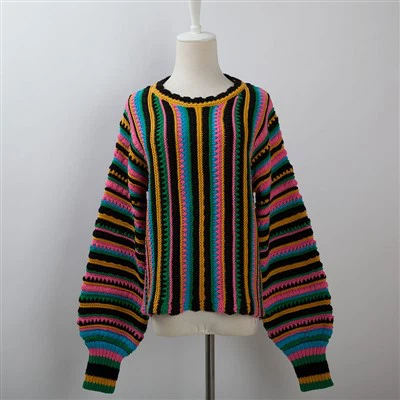


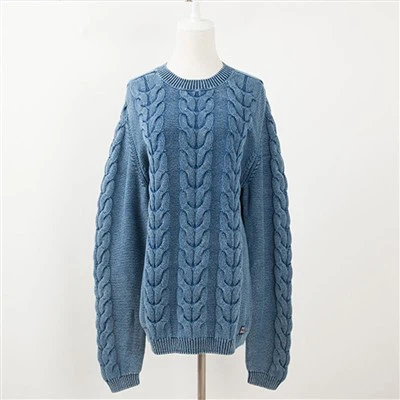


5 Benefits of Including a Novelty Sweater in Your Travel Kit
It’s Comfortable
Novelty sweaters are very comfortable, making them ideal for travel. novelty sweaters are now again in vogue because of the growing popularity of athleisure (athletic+leisure). We believe it ought to have stayed in trend. novelty sweaters provide the utmost in comfort, whether you’re wearing a tight dress on a lengthy commute to work or an enormous sweater to keep you warm in an overly air-conditioned aircraft or bus. Travelers are familiar with the pain of prolonged sitting. It will be really irritating if your clothing does not move with your body. The flexibility and breathability that the interwoven loops have are what give novelty sweaters their elasticity. As a result, novelty sweaterwear adapts to the body and moves with it, enabling comfortable travel. Additionally, the elasticity makes for a comfortable fit.
It’s Wrinkle-Resistant
Novelty sweaters resist wrinkles due to their capacity to be stretched. Heat and moisture cause other fabrics to shift as well as reset into new unequal or misaligned positions, which results in wrinkles. Novelty sweater fabrics are more likely to rebound to their original form as opposed to being fixed in the newly wrinkled shape due to the linked loops and their flexibility. This makes novelty sweaters less likely to wrinkle. This is perfect for folks who travel or commute to work since it allows them to arrive at work or meetings looking presentable.
It’s Low Maintenance
The days of cleaning novelty sweater clothing with special care are long gone. Your vacation wardrobe will be hassle-free, requiring minimal upkeep with modern materials that are machine washable. It’s fantastic to have the choice to merely toss your clothing in the washing if you don’t have the time or desire to dry clean them. Contrary to popular belief, you can pretty much machine-wash any novelty sweater you own. Simply remember to place the sweaters in a mesh bag, wash them on a moderate cycle with cold water, then lay them flat to dry.
It Packs Well
Additionally, you may carry as many novelty sweaterwear items as you like without worrying about ironing them. They may easily be twisted into forms that fit neatly into a bag. Since they can be quite elastic, you can opt to compress them to fit more into a smaller area. novelty sweaters may be rolled to save space and prevent wrinkles.
It’s Versatile
Given the longstanding negative connotation of novelty sweaterwear as being overly casual, this one may come as a surprise. However, even a casual outfit may be chic, and novelty sweaterwear can be formal. Novelty sweaterwear may be a cosy alternative while getting dressed for vacation, whether it’s cashmere or merino wool sweaters. Women who have worn body-con, skater, or wrap dresses to work understand how wonderfully novelty sweaters drape. The weight of the cloth allows it to hang and fit beautifully. While this may be accomplished using woven materials, the comfort cannot be duplicated. Because novelty sweater dresses allow for flexibility without sacrificing design, they are ideal for ladies who travel. Novelty sweaters are extremely simple to style; with a few simple accessories, you can dress them up or down.
Material of Novelty Sweater
Cashmere
When it comes to novelty sweaters, cashmere is often considered the best material. Cashmere is made from the soft undercoat of cashmere goats and is known for its incredible softness and warmth. It's also a fairly durable material, making it a good choice for a cardigan sweater that you'll want to wear for many years. The cashmere material offers unparalleled warmth to the cardigan garment and an incredibly lightweight feel. With all these remarkable properties, cashmere is oftentimes combined with another high-quality textile to increase the innate textile fibre property of any hides it is combined with.
Wool
Wool is often lauded as another best material for sweaters, and for good reason. It’s warm, it’s durable, and it’s naturally moisture-resistant, making it ideal for chilly days or active wear. Wool also has a bit of give to it, so it’s less likely to feel constricting or uncomfortable when you move around. This fibre is perfect for comfort, style and function. Wool lasts long and its fibres are structurally high-quality when magnified under a microscope. One type of wool which is the Merino sheep’s wool is known for being hydrophilic. This means that this type of textile has a special affinity with water. Such property makes the wool a great choice to weatherproof yourself during winter. Another wool type is the alpaca.
Cotton Sweaters
When it comes to novelty sweaters, there are a variety of different materials that can be used. Cotton is often seen as one of the best materials to use. Cotton sweaters are typically very soft and comfortable, which makes them great for everyday wear. Additionally, they are often easy to care for and wrinkle-resistant, which makes them ideal for travel or busy lifestyles. The best thing about cotton is that it can be combined with other fibres which makes the resulting material with the added comfort of cotton and the strength and warmth of, say, wool or cashmere. In addition, the addition of cotton in a cardigan sweater material means that they are easy to maintain, easy to wash and last a long time.
Synthetic Materials
Sweaters often contain synthetic materials, which are petroleum or chemical-based. This makes them less natural and sustainable than natural and sustainable ones. But synthetic fibres may have their place in cardigan sweaters too. For example, acrylic is great for making warm and strong clothes like athletic wear and men’s sweatpants. And because they are synthetic, manufacturers of such textiles can produce more of such fabricated textiles without the need for natural supplies such as animal hides. Synthetic fibres are not becoming more and more eco-friendly as manufacturers discover more how to replicate natural fibres with the use of common chemical compounds used for manufacturing many of the goods we enjoy today.

The good and bad thing about sweaters, particularly, is that they’re one-and-done pieces. You throw on a sweater, a pair of pants or jeans, usually boots if it’s cold, and you’re dressed. While the appeal is obvious—the brain work involved in cobbling these looks together is completely undemanding, it’s a look that can quickly get repetitive, hence my cereal daily analogy. It’s hard to layer with sweaters, a dressy scarf worn with a sweater can be the enemy of anyone menopausal, and there is little more that can be done to a large, comfy sweater. Sweaters usually just are, and that’s it.
As strange as it may sound, I liken this to people who live in hot climates where layers are seldom worn, it’s just too warm. When I work with clients in hot climates, I have to be mindful to create looks that can stand on their own without the help of layers of lots of accessories. This is why people in warmer climates tend to wear more novelty that can stand alone and less basic pieces.
For similar reasons, I think this is why some of the sweaters we own should be standalone novelty styles. Don’t get me wrong, I love my good basic sweaters and think they are important, yet, to balance things out, it’s also important that I have novelty styles that look done with minimal effort, just as you probably own great workhorse basic tops as well as more novel ones.
Essential Knitting Techniques for the Novelty Sweater Project
Slip Knot
The first step of knitting, the slip knot attaches the yarn to a knitting needle. The loop on the needle is counted as the first cast on stitch.
Knit and Purl Stitches
Knitting has only two stitches- knit and purl. All stitch patterns are based on these.
Weave in yarn ends
Every project and pattern demands their own ways to weave in yarn ends neatly. Make sure to have a few tricks.
Cast on
The method to make stitches that do not count as the first row of the project but lays the foundation of the project. There are many ways to cast on stitches, from stretchy techniques to ones with constricted stitches. For knitting a sweater, the German twisted cast on works smoothly.
Increases and Decreases
Increases and decreases are simple knitting techniques. There are many ways to get this done. A pattern designer always recommends the method. Increase means adding a stitch in comparison to the previous row or round and decrease means reducing a stitch.
Cast off
Like casting on, cast off is an important step to end a knitting project. Also known as bind off, this means to secure your stitches before taking the project off the knitting needles.
How To Fix A Stretched-Out Novelty Sweater?
If you have a stretched-out sweater that you love, don’t worry, because there are ways to fix it. The first step is to assess the damage and determine the extent of the stretching. Take a close look at the sweater and identify the areas that have stretched out the most. This will help you determine the best method for fixing it.
One of the easiest ways to fix a stretched-out sweater is by blocking it. This method involves wetting the sweater and reshaping it to its original size. Start by filling a sink or basin with lukewarm water and add a small amount of gentle detergent. Place the sweater in the water and gently submerge it, being careful not to agitate or squeeze it. After a few minutes, remove the sweater from the water and gently squeeze out the excess water, being careful not to wring or twist it. Lay the sweater flat on a clean towel and use your hands to gently reshape it to its original size. Allow it to dry completely before wearing or storing it.
If blocking doesn’t fully fix the stretched-out sweater, you can try using steam to shrink it back to its original size. Start by filling a steamer with water and heat it up according to the manufacturer’s instructions. Once the steamer is ready, hold the stretched areas of the sweater over the steam, being careful not to let the sweater touch the steamer or get too close to the steam. Keep the sweater stretched while exposing it to the steam for a few minutes. After steaming, lay the sweater flat on a clean towel and reshape it to its original size. Allow it to cool and dry completely before wearing or storing it.
If blocking and steaming don’t give you the desired results, you can try soaking the stretched-out sweater in a fabric conditioner solution. Fill a basin with lukewarm water and add a small amount of fabric conditioner. Submerge the sweater in the solution and let it soak for at least 30 minutes. After soaking, gently squeeze out the excess water and lay the sweater flat on a clean towel. Use your hands to reshape the sweater to its original size and allow it to dry completely before wearing or storing it. The fabric conditioner can help relax the fibers of the sweater and make it easier to reshape.
If all else fails, or if you’re unsure about attempting to fix the stretched-out sweater yourself, it’s best to consult a professional. Take your sweater to a tailor or a dry cleaner who specializes in clothing repairs and alterations. They will have the expertise and equipment to properly fix and reshape your sweater. Keep in mind that professional services may come at a cost, but it can be worth it if you have a beloved sweater that you want to restore to its original size and shape.
How To Prevent Novelty Sweater Pilling?
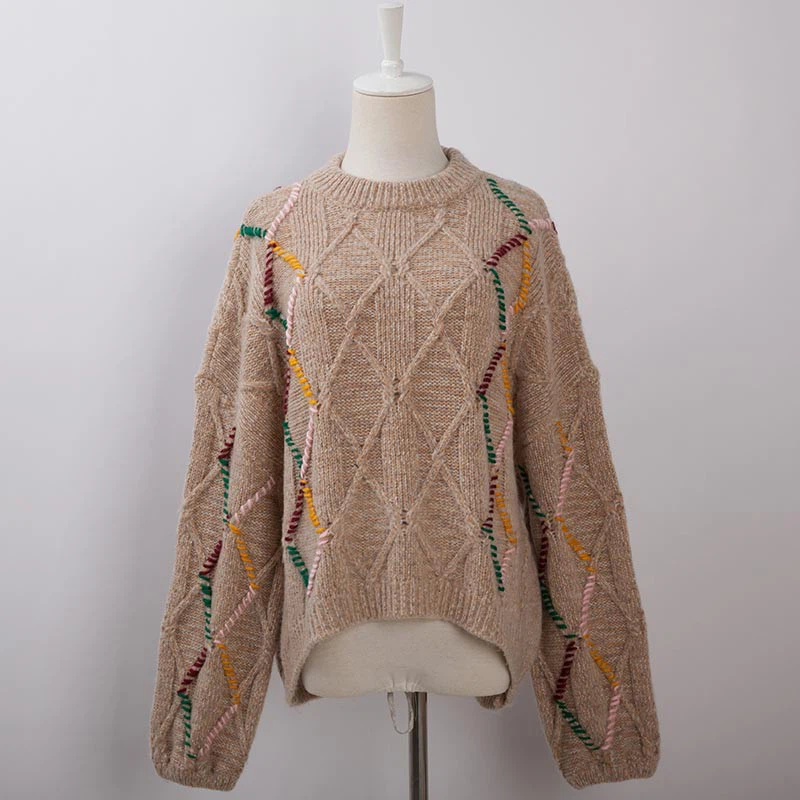
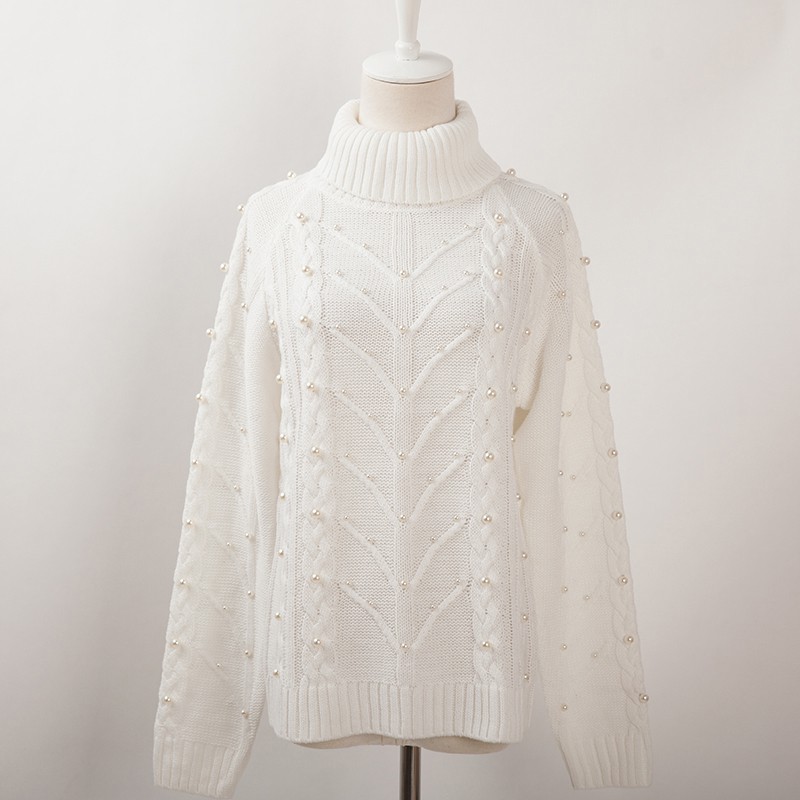

Choose the right fabric
One of the best ways to prevent sweater pilling is to choose the right fabric. Some fabrics are more prone to pilling than others, so it’s important to do your research before making a purchase. Natural fibers like wool and cashmere are known to be prone to pilling, while synthetic fibers like acrylic and polyester are less likely to pill. Additionally, blends of natural and synthetic fibers can be a good option, as they combine the benefits of both types of materials.
Handle with care
Another important way to prevent sweater pilling is to handle your sweaters with care. This means avoiding activities that can cause excessive friction and wear, such as rubbing your sweater against rough surfaces or washing it in a machine with harsh agitation. Instead, opt for hand washing or using a gentle setting on your washing machine. Additionally, be sure to lay your sweaters flat to dry rather than hanging them, as this can cause stretching and additional wear.
Use a fabric shaver
If pilling does occur on your sweaters, don’t worry – there are solutions. One effective method for removing pills is to use a fabric shaver. These handheld devices have a small, rotating blade that safely removes pills from the surface of the fabric. Simply run the fabric shaver over the affected areas of the sweater, and it will shave off the pills, leaving your sweater looking refreshed and pill-free.
Store your sweaters properly
Finally, proper storage of your sweaters can help prevent pilling. Avoid folding your sweaters, as this can cause friction and wear on the fabric. Instead, opt for hanging your sweaters on padded hangers to help maintain their shape and reduce the chances of pilling. Additionally, consider storing your sweaters in garment bags or other breathable containers to protect them from dust and dirt.
How Much Yarn is Needed to Knit a Novelty Sweater?
Sweater Type
Sweaters come in all shapes and sizes, and each design has its own yarn appetite. Tank tops and vests, for instance, tend to use less yarn compared to cabled knits. Additionally, if you're aiming for an oversized sweater or planning to add extra length, be prepared to stock up on more yarn.
Pattern Variations
Different stitch patterns and sizing options can impact yarn consumption. For instance, garter stitch eats up more yarn compared to stockinette stitch to achieve the same dimensions. Always refer to your chosen pattern for precise yarn requirements tailored to your project.
Yarn Weight and Fiber
The type of yarn you choose plays a significant role in determining yardage. Factors such as weight and fiber content can influence how much yarn you'll need. Keep an eye on yarn labels, where you'll find valuable information about weight per skein and fiber content.
Swatch Wisely
Don't skip the swatching process! Knit up a swatch using your chosen yarn and stitch pattern to gauge how much yarn you'll use per inch. This will help you extrapolate the total yardage needed for your sweater. Remember, tension and gauge can vary among individual knitters and crocheters. Deviations from the recommended gauge in the pattern can influence the amount of yarn needed. Make a gauge swatch before starting your project to ensure accuracy and avoid those stressful do-overs.
Personal Touches: Making It Your Own
Let's be real – sometimes, you just can't resist adding your own flair. Maybe you want to tweak the sizing for a perfect fit, toss in some funky stitch patterns, or even turn that simple sweater vest into a ruffled masterpiece. But you have to be prepared for such impromptu changes in advance. Adding or omitting elements, adjusting sizing, or experimenting with different stitch patterns can all affect how much yarn you'll need.
Our Factory
Velafay Knitting Factory was founded in 2001 with a clear vision: to integrate traditional knitting craftsmanship with modern technological advancements. This approach allowed us to offer products that maintain the charm and durability of classic knitwear while meeting contemporary fashion standards. Our early years were focused on establishing a strong foundation, building a team of skilled artisans, and acquiring initial machinery that could support our ambitious goals.

Ultimate FAQ Guide to Novelty Sweater
We're well-known as one of the leading novelty sweater manufacturers and suppliers in China. If you're going to buy high quality novelty sweater at competitive price, welcome to get quotation from our factory.
novelty running sweater