

Are there any organic sustainable sweaters?
Jun 17, 2025
In the ever - evolving landscape of fashion, the demand for sustainable and organic clothing has witnessed a remarkable surge. Consumers are becoming more conscious about the environmental and social impacts of their fashion choices, leading to a growing interest in organic sustainable sweaters. As a sustainable sweater supplier, I am well - versed in the intricacies of this market and can offer insights into the availability and benefits of such products.
The Concept of Organic and Sustainable Sweaters
To understand whether there are organic sustainable sweaters, we first need to define what "organic" and "sustainable" mean in the context of sweater production.
Organic materials refer to those that are grown or produced without the use of synthetic pesticides, fertilizers, genetically modified organisms (GMOs), or other harmful chemicals. For sweaters, organic fibers commonly include organic cotton, organic wool, and organic hemp. These materials are not only better for the environment but also for the health of the farmers and consumers.
Sustainable, on the other hand, encompasses a broader spectrum. A sustainable sweater is one that is produced, used, and disposed of in a way that minimizes its environmental impact throughout its lifecycle. This includes considerations such as water conservation, energy efficiency, fair labor practices, and the reduction of waste.
Organic Materials for Sweaters
Organic Cotton Sweater
Organic cotton is a popular choice for sustainable sweaters. Unlike conventional cotton, which is often heavily treated with pesticides and fertilizers, organic cotton is grown using natural and environmentally friendly methods. This not only reduces the amount of harmful chemicals released into the environment but also protects the health of the farmers.
An Organic Cotton Sweater is soft, breathable, and hypoallergenic, making it suitable for people with sensitive skin. It has a natural texture that gives the sweater a unique and rustic look. Additionally, organic cotton is biodegradable, which means that at the end of its life, it will break down naturally without leaving behind harmful residues.
Organic Wool
Organic wool comes from sheep that are raised in a natural and ethical manner. They are not treated with synthetic chemicals for pest control or growth promotion. Organic wool is known for its warmth, durability, and natural moisture - wicking properties. It is a renewable resource as sheep can be shorn regularly, and the wool can be used to make a variety of sweaters. However, the production of organic wool requires strict adherence to organic farming standards to ensure its authenticity.
Organic Hemp
Hemp is another excellent organic material for sweaters. It is one of the most sustainable fibers as it grows quickly without the need for pesticides or fertilizers. Hemp sweaters are strong, breathable, and have natural antibacterial properties. They also have good UV protection, making them suitable for outdoor wear. Moreover, hemp plants absorb a large amount of carbon dioxide from the atmosphere during their growth, contributing to the reduction of greenhouse gas emissions.
Sustainable Production Processes
In addition to using organic materials, sustainable sweater production involves adopting eco - friendly manufacturing processes.
Low - Impact Dyeing
Traditional dyeing processes often use large amounts of water and chemicals, which can be harmful to the environment. Sustainable sweater manufacturers are increasingly using low - impact dyes that are made from natural sources or are less toxic. These dyes require less water and energy to apply, reducing the overall environmental footprint of the sweater.
Energy - Efficient Manufacturing
Many sustainable sweater suppliers are investing in energy - efficient machinery and facilities. This includes using renewable energy sources such as solar or wind power to run their factories. By reducing their reliance on fossil fuels, they can significantly lower their carbon emissions and contribute to a more sustainable future.
Waste Reduction
Sustainable sweater production also focuses on minimizing waste. This can be achieved through techniques such as pattern optimization to use fabric more efficiently, recycling fabric scraps, and reusing materials from old sweaters. Some manufacturers even offer take - back programs, where customers can return their old sweaters to be recycled into new products.
The Market for Organic Sustainable Sweaters
The market for organic sustainable sweaters has been growing steadily in recent years. Consumers are willing to pay a premium for products that are not only stylish but also environmentally and socially responsible. This trend is driven by several factors.
Increased Environmental Awareness
As more people become aware of the environmental problems caused by the fashion industry, such as water pollution, deforestation, and greenhouse gas emissions, they are actively seeking out sustainable alternatives. Organic sustainable sweaters offer a way for consumers to make a positive impact on the environment through their fashion choices.
Health Concerns
Consumers are also becoming more concerned about the potential health risks associated with wearing clothing made from conventionally produced materials. Organic materials are free from harmful chemicals, making them a safer choice for the skin. This is particularly important for people with allergies or skin sensitivities.
Ethical Considerations
In addition to environmental and health concerns, many consumers are also interested in supporting ethical fashion brands. Sustainable sweater suppliers often ensure fair labor practices, providing decent working conditions and fair wages for their employees. This resonates with consumers who value social justice and equality.
Challenges in the Production of Organic Sustainable Sweaters
While the demand for organic sustainable sweaters is increasing, there are still several challenges that suppliers face in the production process.
Higher Costs
Organic materials and sustainable production processes often come with higher costs. Organic cotton, for example, is more expensive to grow than conventional cotton due to the additional labor and resources required to meet organic standards. Similarly, low - impact dyes and energy - efficient manufacturing equipment can also be costly to implement. These higher costs are often passed on to the consumers, which can limit the market for organic sustainable sweaters.
Supply Chain Complexity
Ensuring the authenticity and traceability of organic materials can be a complex task. The supply chain for organic fibers involves multiple stages, from farming to manufacturing, and it can be difficult to verify that every step meets the required organic standards. This requires strict quality control and documentation throughout the supply chain.
Limited Availability of Raw Materials
The availability of organic materials is still limited compared to conventional materials. This can make it challenging for sweater suppliers to source enough raw materials to meet the growing demand. As a result, some suppliers may have to rely on a limited number of suppliers, which can increase the risk of supply chain disruptions.
Our Role as a Sustainable Sweater Supplier
As a sustainable sweater supplier, we are committed to overcoming these challenges and providing high - quality organic sustainable sweaters to our customers.
We work closely with our organic material suppliers to ensure that the fibers we use meet the strictest organic standards. We also invest in research and development to find new and innovative ways to reduce the environmental impact of our production processes. For example, we are constantly exploring new low - impact dyeing techniques and energy - efficient manufacturing methods.
In addition, we are transparent about our production processes and the materials we use. We provide detailed information to our customers about the origin of the materials, the manufacturing processes, and the environmental and social impacts of our sweaters. This helps our customers make informed decisions and builds trust in our brand.
The Future of Organic Sustainable Sweaters
The future of organic sustainable sweaters looks promising. As technology advances, we can expect to see more innovative and cost - effective solutions for sustainable sweater production. For example, new methods of growing organic fibers may be developed that require less water and land, and more efficient recycling technologies may be available to reduce waste.
Moreover, as consumer awareness continues to grow, the demand for organic sustainable sweaters is likely to increase. This will encourage more suppliers to enter the market, leading to greater competition and potentially lower prices. In the long run, organic sustainable sweaters may become the norm rather than the exception in the fashion industry.
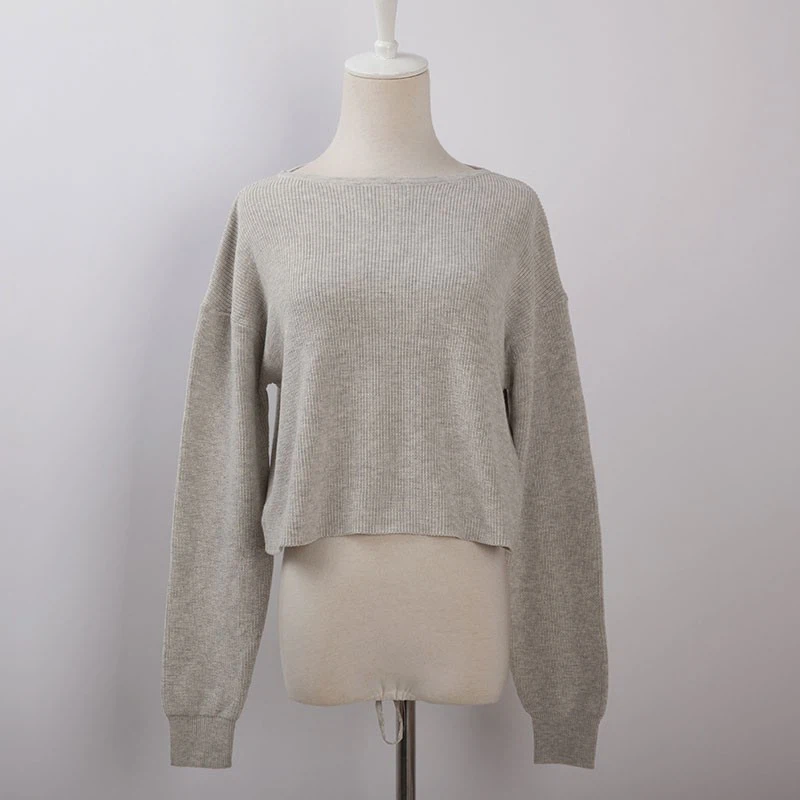
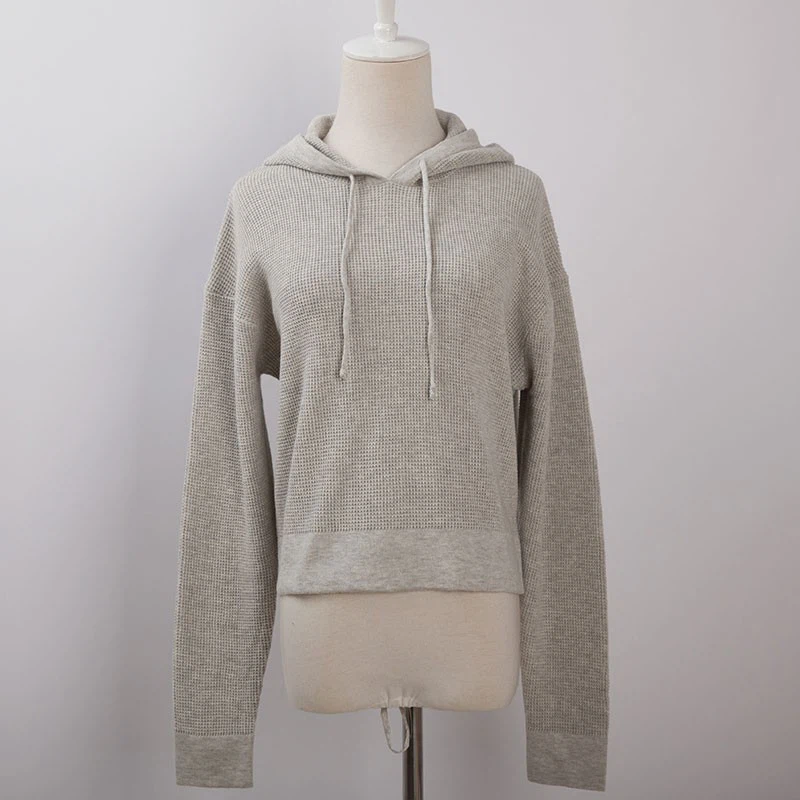
Why Choose Us?
If you are looking for high - quality organic sustainable sweaters, we are the right supplier for you. Our sweaters are made from the finest organic materials and are produced using sustainable manufacturing processes. We offer a wide range of styles and designs to suit different tastes and preferences.
Whether you are a retailer looking to stock our products or an individual interested in purchasing a sustainable sweater for yourself, we are happy to work with you. We can provide you with samples and detailed product information to help you make the best decision.
If you are interested in learning more about our organic sustainable sweaters or would like to discuss a potential purchase, please feel free to reach out. We look forward to the opportunity to partner with you and contribute to a more sustainable fashion future.
References
- Brown, L. R. (2019). The World on the Edge: How to Prevent Environmental and Economic Collapse. W. W. Norton & Company.
- Fletcher, K. (2014). Sustainable Fashion and Textiles: Design Journeys. Earthscan.
- Paterson, M. (2016). The Political Economy of Climate Change. Routledge.