

Are there sustainable sweaters made from bamboo?
May 16, 2025
Yo, folks! As a supplier of sustainable sweaters, I often get asked if there are sustainable sweaters made from bamboo. Well, the answer is a big fat yes! And in this blog, I'm gonna dive deep into the world of bamboo sweaters, their sustainability, and why they're a great choice for both you and the planet.
What Makes Bamboo a Sustainable Material?
First off, let's talk about why bamboo is such a sustainable resource. Bamboo is one of the fastest-growing plants on Earth. It can grow up to 91 cm (36 inches) in a single day under the right conditions. Unlike traditional cotton, which requires a ton of water, pesticides, and fertilizers to grow, bamboo is a hardy plant that can thrive with minimal water and without the need for harmful chemicals.
Another great thing about bamboo is that it's a renewable resource. When bamboo is harvested, it doesn't need to be replanted because it regrows from its existing root system. This means that we can keep using bamboo without depleting the Earth's resources.
The Process of Making Bamboo Sweaters
Now that we know why bamboo is sustainable, let's take a look at how it's turned into sweaters. The process starts with harvesting the bamboo. Once the bamboo is cut, it's broken down into pulp. This pulp is then processed into a fiber, which can be spun into yarn.

The yarn is then knitted or woven into fabric, which is used to make the sweaters. The good news is that the manufacturing process of bamboo sweaters is generally more eco-friendly than that of sweaters made from other materials. For example, the production of bamboo fiber uses less energy and water compared to the production of synthetic fibers like polyester.

Benefits of Bamboo Sweaters
Bamboo sweaters aren't just sustainable; they also offer a bunch of other benefits. Here are some of the reasons why you might want to consider adding a bamboo sweater to your wardrobe:
- Soft and Comfortable: Bamboo fibers are naturally soft and smooth, making bamboo sweaters incredibly comfortable to wear. They're also hypoallergenic, which means they're less likely to cause skin irritation.
- Breathable: Bamboo has excellent moisture-wicking properties, which means it can keep you dry and comfortable even when you're sweating. This makes bamboo sweaters a great choice for both warm and cold weather.
- Thermal Regulation: Bamboo fibers can help regulate your body temperature, keeping you warm in the winter and cool in the summer. So, you can wear your bamboo sweater year-round.
- Durable: Despite their softness, bamboo sweaters are surprisingly durable. They can withstand regular wear and washing without losing their shape or color.
Comparing Bamboo Sweaters with Other Sustainable Options
While bamboo sweaters are a great choice, there are other sustainable sweater options out there too. Let's take a quick look at how bamboo sweaters stack up against Organic Cotton Sweater and Recycled Polyester Sweater.
- Organic Cotton Sweaters: Organic cotton is grown without the use of pesticides and synthetic fertilizers, making it a more sustainable option than conventional cotton. However, organic cotton still requires a significant amount of water to grow. Bamboo, on the other hand, uses much less water, making it a more water-efficient choice.
- Recycled Polyester Sweaters: Recycled polyester is made from post-consumer plastic bottles and other waste materials, which helps reduce the amount of plastic in landfills. However, the production of recycled polyester still requires energy and chemicals. Bamboo, being a natural material, has a lower environmental impact overall.
Challenges in the Bamboo Sweater Industry
Of course, the bamboo sweater industry isn't without its challenges. One of the main issues is the processing of bamboo into fiber. Some methods of processing bamboo use harsh chemicals, which can be harmful to the environment and human health. However, there are now more eco-friendly processing methods available, and many manufacturers are working to adopt these methods.
Another challenge is the perception of bamboo sweaters. Some people may not be familiar with bamboo as a material for sweaters, or they may have misconceptions about its quality or durability. As a supplier, it's important for us to educate consumers about the benefits of bamboo sweaters and dispel these myths.
Our Commitment to Sustainability
As a sustainable sweater supplier, we're committed to providing high-quality bamboo sweaters that are not only stylish but also environmentally friendly. We work with manufacturers who use eco-friendly processing methods to ensure that our bamboo sweaters have a minimal impact on the environment.
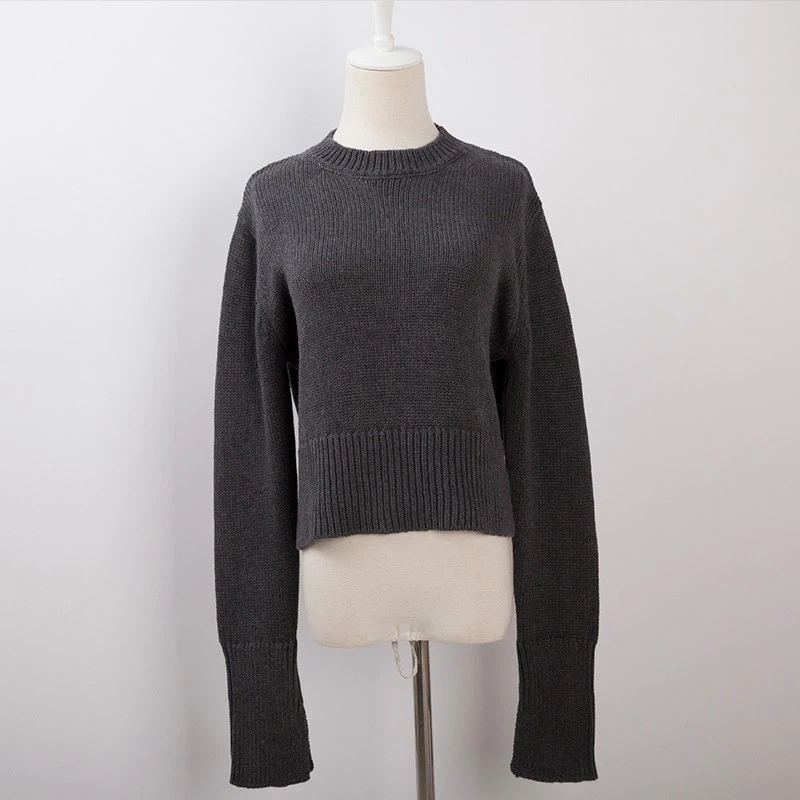
We also believe in transparency and traceability. We source our bamboo from sustainable farms and keep track of every step of the production process, from the harvesting of the bamboo to the manufacturing of the sweaters. This way, we can ensure that our products meet the highest standards of sustainability.
Conclusion
So, to answer the question, "Are there sustainable sweaters made from bamboo?" - absolutely! Bamboo sweaters are a great choice for anyone who wants to look good and feel good while also doing their part to protect the planet. They're soft, comfortable, breathable, and durable, and they have a lower environmental impact compared to sweaters made from other materials.
If you're interested in purchasing sustainable bamboo sweaters or learning more about our other sustainable sweater options, we'd love to hear from you. Whether you're a retailer looking to stock our products or an individual consumer wanting to make a more sustainable fashion choice, we're here to help. Reach out to us to start a conversation about your purchasing needs and let's work together to make the world a greener place, one sweater at a time.
References
- "The Sustainability of Bamboo: A Review." Journal of Sustainable Forestry.
- "Bamboo Fiber: Properties and Applications." Textile Research Journal.
- "Environmental Impact of Different Fiber Types." International Journal of Life Cycle Assessment.