

Can I dye a women's knitted scarf at home?
Sep 19, 2025
Hey there! As a supplier of women's knitted scarves, I often get asked a bunch of questions about these cozy accessories. One question that pops up quite a bit is, "Can I dye a women's knitted scarf at home?" Well, let's dive right into this topic and find out.
First off, let's talk about the materials. Most women's knitted scarves are made from different types of yarns, like wool, acrylic, cotton, or a blend of these. Each material reacts differently to dyes, so it's super important to know what you're working with.
Wool is a natural fiber, and it's pretty easy to dye. It has a high affinity for dyes, which means it can absorb color really well. You can use natural dyes like those made from plants or commercial acid dyes. If you're going for a natural dye, you can use things like onion skins for a warm orange - brown color or blueberries for a lovely purple - blue hue. Just boil the plant material in water for a while, strain it, and then soak your wool scarf in the dye bath. Make sure to stir it gently to get an even color.
Acrylic, on the other hand, is a synthetic fiber. Dyeing acrylic at home can be a bit tricky. It doesn't absorb dyes as easily as natural fibers. You'll need special dyes designed for synthetic materials, usually called disperse dyes. These dyes work at high temperatures, so you'll need to use a stovetop or a pressure cooker to get the right heat. It's important to follow the instructions on the dye package carefully because if you don't get the temperature and time right, you might not get the color you want.
Cotton is another common material for knitted scarves. It's also a natural fiber, and it can be dyed with a variety of dyes, including fiber - reactive dyes. These dyes bond chemically with the cotton fibers, giving you a long - lasting color. You can find fiber - reactive dyes at craft stores. To dye cotton, you'll need to pre - soak the scarf in a soda ash solution to prepare the fibers for the dye. Then, you can add the dye and let it sit for a while to develop the color.
Now, let's talk about the process. Before you start dyeing, you need to prepare your scarf. Wash it thoroughly to remove any dirt, oils, or sizing that might be on it. This will help the dye adhere better. You can use a mild detergent and lukewarm water. Rinse it well and let it dry completely.
Once your scarf is clean and dry, you can start the dyeing process. If you're using a commercial dye, follow the instructions on the package. Usually, you'll need to mix the dye with water in a large container. Make sure the container is big enough to hold the scarf and allow it to move around freely. You can add salt to the dye bath if you're dyeing natural fibers like wool or cotton. Salt helps the dye bond to the fibers.
For a more even color, you can use a technique called "agitation." This means stirring the scarf gently in the dye bath. You can also move it around with a wooden spoon or your hands (but wear gloves to protect your skin from the dye). Keep the scarf in the dye bath for the recommended time, which can vary depending on the dye and the color intensity you want.
After the dyeing is done, rinse the scarf thoroughly in cold water until the water runs clear. Then, wash it again with a mild detergent to remove any excess dye. Let it dry flat to prevent it from stretching.
One thing to keep in mind is that dyeing at home can be a bit messy. You might want to do it outside or in a well - ventilated area. Also, be prepared for the color to be a bit different from what you see on the dye package. Lighting and the material of the scarf can affect the final color.
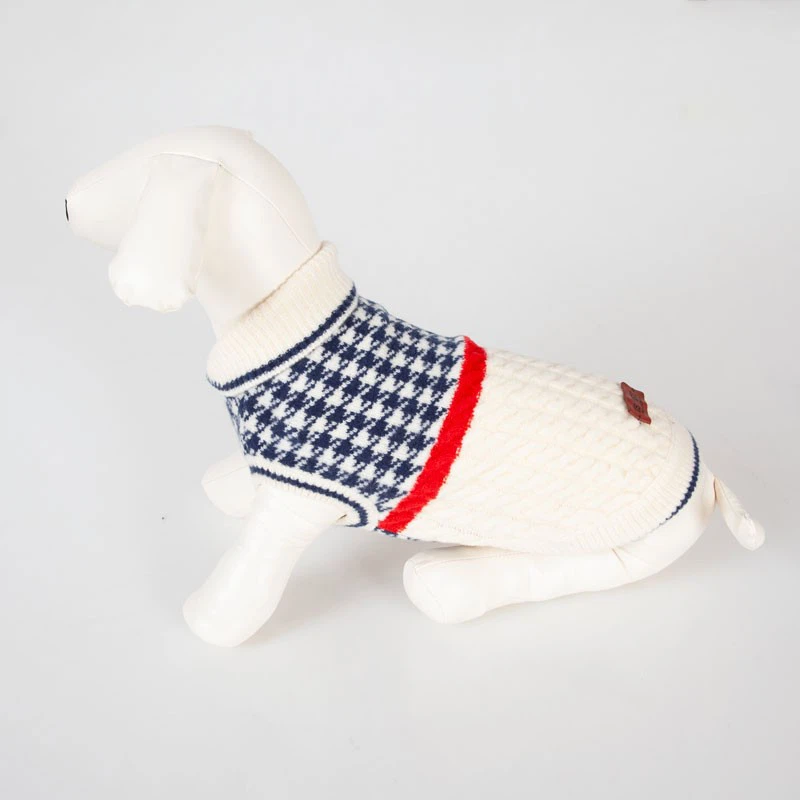
Now, if you're not up for the hassle of dyeing at home, or if you want a more professional look, you can always check out our Women's Knitted Scarf collection. We have a wide range of colors and styles to choose from. And if you're looking for other knitted accessories, we also offer Women's Knitted Gloves and Pet Knitwear.
If you're a retailer or a buyer interested in our products, we'd love to talk to you. We offer competitive prices, high - quality products, and great customer service. Whether you're looking to stock up on a few scarves or place a large order, we're here to help. Just reach out, and we can start discussing your needs.

In conclusion, dyeing a women's knitted scarf at home is possible, but it depends on the material of the scarf and your willingness to put in the effort. If you're feeling adventurous, give it a try. But if you want a hassle - free option, check out our collection.
References
- "The Complete Guide to Natural Dyeing" by Jenny Dean
- "Dyeing Yarn and Fibre" by Deb Menz