

Can I dye pet knitwear?
Jul 15, 2025
As a pet knitwear supplier, I often receive various inquiries from customers. One question that has popped up quite frequently is, "Can I dye pet knitwear?" This is a fascinating topic that combines the love for our furry friends with the creativity of DIY. In this blog, I'll explore the possibilities, considerations, and best practices for dyeing pet knitwear.
Understanding the Basics of Pet Knitwear
Before delving into the dyeing process, it's essential to understand the materials commonly used in pet knitwear. Most pet sweaters, scarves, and blankets are made from natural fibers like wool, cotton, or a blend of both. These materials are soft, warm, and comfortable for pets, but they also react differently to dyes.
Wool, for example, is a protein-based fiber that takes dye well. It has a natural affinity for certain types of dyes, such as acid dyes, which can produce vibrant and long-lasting colors. Cotton, on the other hand, is a cellulose-based fiber that requires a different type of dye, such as fiber reactive dyes, to achieve good colorfastness.
Factors to Consider Before Dyeing
- Pet Safety: The most crucial factor when dyeing pet knitwear is the safety of your furry friend. Ensure that the dyes you use are non-toxic and free from harmful chemicals. Some dyes may contain heavy metals, formaldehyde, or other substances that can be harmful if ingested or absorbed through the skin. Look for dyes specifically labeled as safe for use on pet products.
- Colorfastness: You want the color to stay vibrant and not fade or bleed onto your pet's fur or furniture. Choose high-quality dyes that are known for their colorfastness. Follow the dye manufacturer's instructions carefully to ensure proper application and fixation of the dye.
- Fiber Compatibility: Different fibers require different types of dyes. Make sure you choose a dye that is compatible with the fiber content of your pet knitwear. Using the wrong type of dye can result in poor color uptake, uneven coloring, or damage to the fabric.
- Fabric Condition: The condition of the fabric can also affect the dyeing process. If the knitwear is dirty, stained, or has been previously treated with chemicals, it may not absorb the dye evenly. Wash the knitwear thoroughly before dyeing to remove any dirt, oils, or residues.
Dyeing Methods
There are several methods you can use to dye pet knitwear, depending on the type of dye and the desired effect. Here are some common dyeing techniques:
- Immersion Dyeing: This is the most traditional method of dyeing. Fill a large pot or bucket with enough water to fully submerge the knitwear. Add the dye according to the manufacturer's instructions and stir well to dissolve it. Heat the water to the recommended temperature and slowly add the knitwear, stirring constantly to ensure even coloring. Let the knitwear soak in the dye bath for the specified time, then rinse it thoroughly with cool water until the water runs clear.
- Hand Painting: Hand painting is a great way to create unique and personalized designs on your pet knitwear. You can use fabric paints or dyes specifically designed for hand painting. Apply the paint or dye to the fabric using a brush, sponge, or stencil. Let the paint dry completely before wearing or washing the knitwear.
- Tie-Dyeing: Tie-dyeing is a fun and creative way to add a pop of color to your pet knitwear. Fold, twist, or tie the knitwear in various patterns before applying the dye. You can use rubber bands, string, or other materials to create the desired patterns. Apply the dye to the fabric using a squeeze bottle or spray bottle. Let the dye set for the recommended time, then rinse the knitwear thoroughly and remove the ties.
Aftercare
After dyeing your pet knitwear, it's important to take proper care of it to maintain the color and quality. Here are some tips for aftercare:
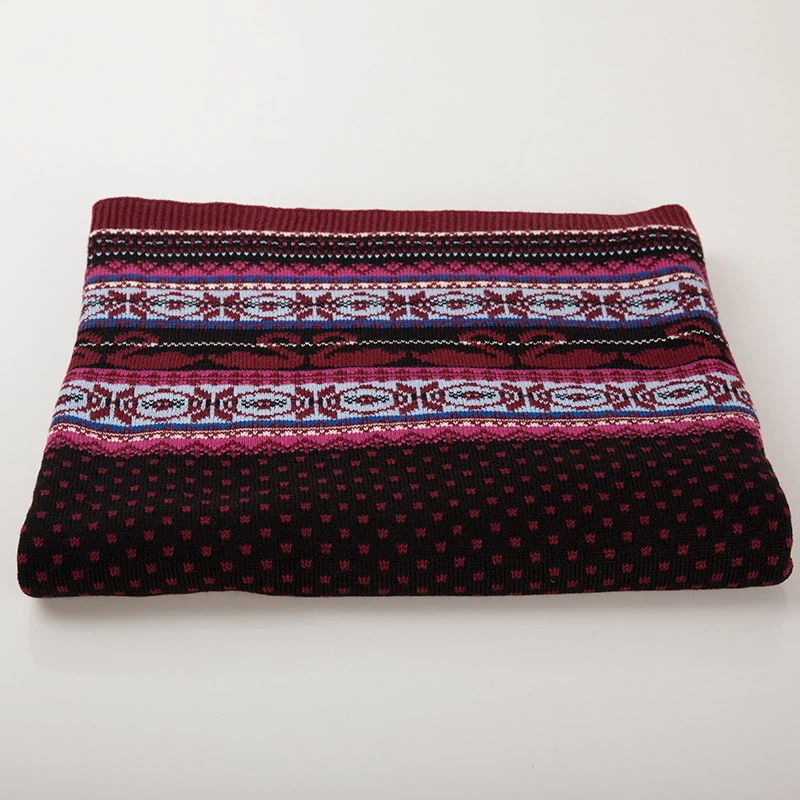

- Wash Carefully: Wash the knitwear in cool water with a mild detergent. Avoid using bleach, fabric softeners, or harsh chemicals, as these can damage the dye and the fabric. Turn the knitwear inside out before washing to protect the color.
- Dry Properly: Hang the knitwear to dry in a well-ventilated area away from direct sunlight. Avoid using a dryer, as the heat can cause the dye to fade or bleed.
- Store Correctly: Store the knitwear in a cool, dry place away from direct sunlight. You can fold it or hang it on a hanger, depending on the type of knitwear.
Conclusion
In conclusion, dyeing pet knitwear is a fun and creative way to add a personal touch to your furry friend's wardrobe. However, it's important to take the necessary precautions to ensure the safety of your pet and the quality of the dye job. By following the tips and guidelines outlined in this blog, you can successfully dye your pet knitwear and create unique and stylish pieces that your pet will love.
If you're interested in purchasing high-quality pet knitwear or have any questions about dyeing or other aspects of pet products, feel free to reach out to us. We're a leading pet knitwear supplier offering a wide range of products, including Women's Slip Socks, Cozzy Knit Blanket, and Women's Knitted Scarf. We're here to help you find the perfect items for your pet and provide you with the best customer service.
References
- "Textile Dyeing and Finishing" by Robert M. Christie
- "The Complete Guide to Natural Dyes" by Karen Casselman
- "Fabric Dyeing: A Step-by-Step Guide" by Annie Potter