

Do soft cotton sweaters fade in the sun?
Aug 12, 2025
As a dedicated supplier of soft cotton sweaters, I often encounter various questions from customers, one of the most common being, "Do soft cotton sweaters fade in the sun?" This query is not only relevant to consumers who want to keep their sweaters looking pristine but also crucial for us in the industry to understand and address. In this blog, I'll delve into the science behind color fading in soft cotton sweaters, share some practical tips to prevent it, and introduce you to our range of high - quality sweaters.
The Science of Color Fading in Soft Cotton Sweaters
To understand whether soft cotton sweaters fade in the sun, we first need to grasp the basics of how sunlight affects the color of fabrics. Sunlight contains ultraviolet (UV) rays, which are invisible to the human eye but have a significant impact on materials. When UV rays come into contact with the dyes used in soft cotton sweaters, they can break down the chemical bonds within the dye molecules.
Cotton is a natural fiber, and while it is durable, its dyes are vulnerable to UV radiation. The energy from the UV rays can cause the dye molecules to change their structure, leading to a loss of color intensity. This process is known as photodegradation. Over time, continuous exposure to sunlight can cause the colors of soft cotton sweaters to fade, become dull, or even change hue.
The degree of fading depends on several factors. The type of dye used plays a crucial role. Some dyes are more resistant to UV rays than others. For example, reactive dyes, which form a chemical bond with the cotton fibers, tend to be more color - fast compared to direct dyes. The quality of the dyeing process also matters. Well - dyed sweaters with proper fixation of the dye are less likely to fade.
Another factor is the color of the sweater. Darker colors, such as black, navy, and dark red, often absorb more UV rays and are more prone to fading than lighter colors. However, this doesn't mean that light - colored sweaters are completely immune to fading; they just show the effects less prominently.
Our Soft Cotton Sweaters: A Cut Above the Rest
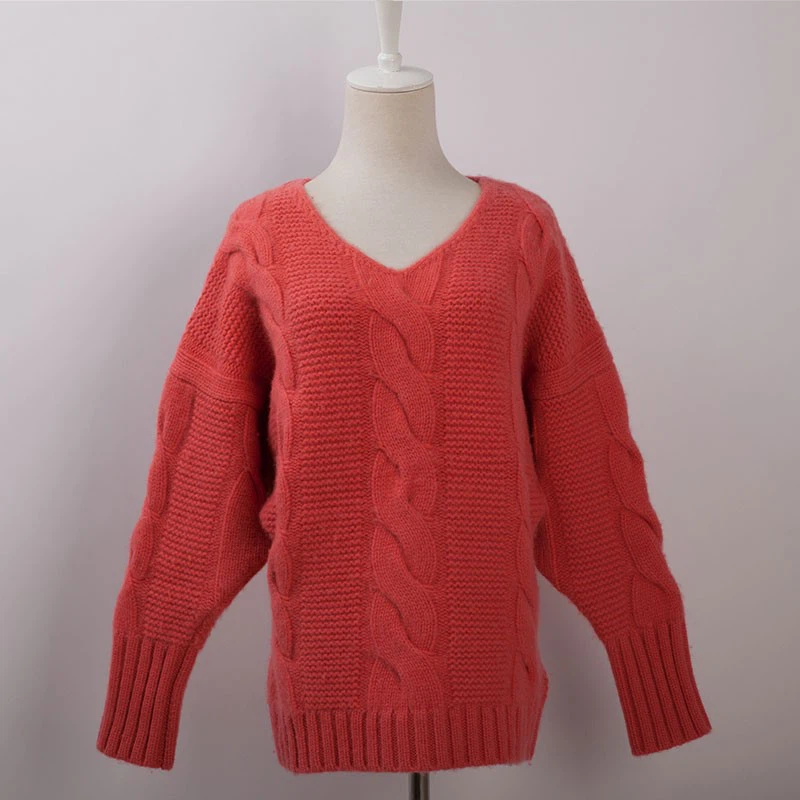
At our supply, we take great pride in offering Soft Cotton Sweater that are not only soft and comfortable but also designed to resist color fading. We use high - quality reactive dyes in our dyeing process. These dyes are carefully selected for their excellent color - fastness properties. Our experienced craftsmen ensure that the dyeing process is carried out with precision, achieving a strong bond between the dye and the cotton fibers.
We also conduct rigorous quality control tests on our sweaters. Each batch is tested for color fastness to light, which simulates the effects of sunlight exposure. Only sweaters that meet our strict standards are approved for sale. This way, we can guarantee that our customers receive sweaters that will maintain their vibrant colors for a long time, even with occasional sun exposure.
In addition to our soft cotton sweaters, we also offer a range of other cozy options. Our Cozy Cashmere Sweater are made from the finest cashmere fibers, providing unparalleled softness and warmth. Cashmere is a natural fiber that is also sensitive to sunlight, but we use special treatments to enhance its color - fastness.
For those who prefer a blend, our Cozy Wool Blend Sweater are a great choice. The combination of wool and other fibers offers a unique balance of warmth, durability, and style. We ensure that the dyeing process for these sweaters is optimized to prevent fading, so you can enjoy their beauty for seasons to come.

Tips to Prevent Color Fading in Soft Cotton Sweaters
While our soft cotton sweaters are designed to resist fading, there are still some steps you can take to further protect them.
- Limit Sun Exposure: Avoid leaving your sweaters in direct sunlight for extended periods. When drying them, hang them in a shaded area or indoors. If you're out and about on a sunny day, try to cover your sweater with a jacket or use an umbrella.
- Proper Storage: Store your sweaters in a cool, dark place. Avoid storing them in places where they will be exposed to sunlight, such as near windows. You can also use garment bags to protect them from dust and light.
- Washing Carefully: Follow the washing instructions on the care label. Use a mild detergent and wash in cold water. Avoid using bleach or harsh chemicals, as they can damage the dye and cause fading. Turn the sweater inside out before washing to reduce friction and protect the outer surface.
- Rotate Your Sweaters: Don't wear the same sweater every day. Rotating your sweaters gives them a chance to rest and reduces the cumulative exposure to sunlight and other factors that can cause fading.
The Impact of Fading on Your Business
If you're a retailer or a business owner looking to stock our soft cotton sweaters, understanding the issue of fading is essential. Fading can have a significant impact on customer satisfaction. Customers expect their sweaters to maintain their color and appearance over time. If the sweaters fade quickly, it can lead to negative reviews, returns, and a loss of trust in your brand.
By choosing our high - quality sweaters, you can offer your customers products that are less likely to fade. This not only enhances customer satisfaction but also helps to build a positive reputation for your business. Our sweaters are a great investment for your inventory, as they offer long - lasting quality and style.
Contact Us for Procurement
We are always eager to partner with businesses and individuals who appreciate the quality of our sweaters. Whether you're a small boutique owner or a large - scale retailer, we can provide you with the quantity and variety of sweaters you need. Our team of experts is ready to assist you with product selection, pricing, and logistics.
If you're interested in Soft Cotton Sweater, Cozy Cashmere Sweater, or Cozy Wool Blend Sweater, please don't hesitate to contact us. We look forward to discussing your procurement needs and building a long - term partnership with you.
References
- Christe, A., & Schollmeyer, E. (2009). Handbook of Textile and Industrial Dyeing. Elsevier.
- Zeronian, S. H., & Collins, P. J. (Eds.). (1989). Chemical Processing of Cotton. John Wiley & Sons.
- Burkinshaw, S. M. (2003). Chemical Technology of Textile Fibres. Woodhead Publishing.