

Do sustainable sweaters have a lower microplastic shedding?
Oct 30, 2025
Hey there! I'm a supplier of sustainable sweaters, and I've been getting a lot of questions lately about whether sustainable sweaters have a lower microplastic shedding. It's a super important topic, especially considering the environmental impact of microplastics. So, let's dive right in and explore this together.
First off, what are microplastics? Microplastics are tiny plastic particles that are less than 5 millimeters in size. They can come from a variety of sources, including the breakdown of larger plastic items, synthetic fibers from clothing, and even microbeads in personal care products. When we wash our clothes, especially those made from synthetic materials like polyester, nylon, and acrylic, these fibers can shed and end up in our waterways. Once in the water, they can be ingested by marine life, which can then enter the food chain and potentially harm human health.
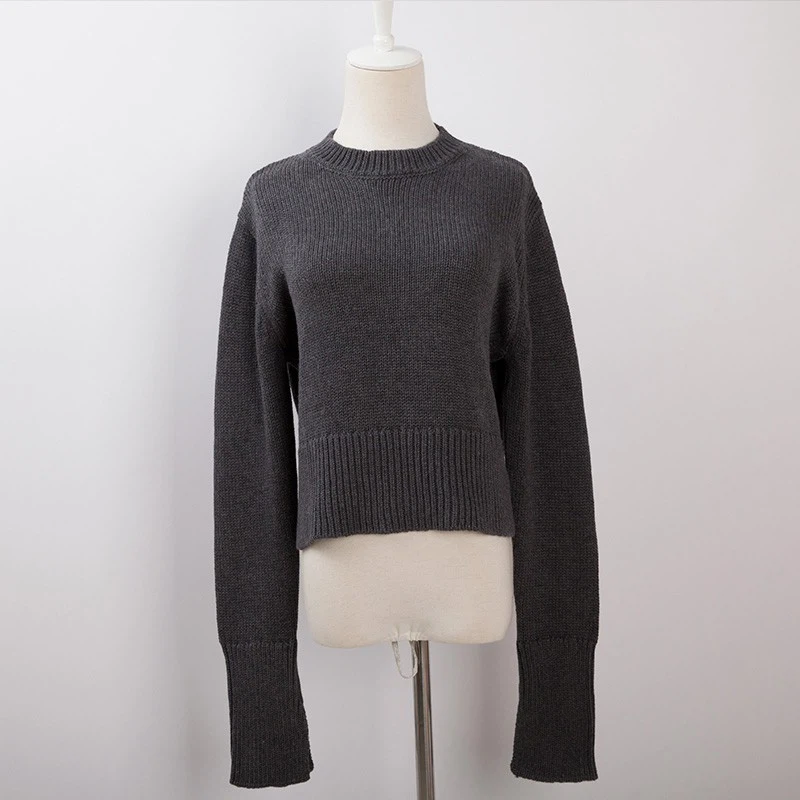
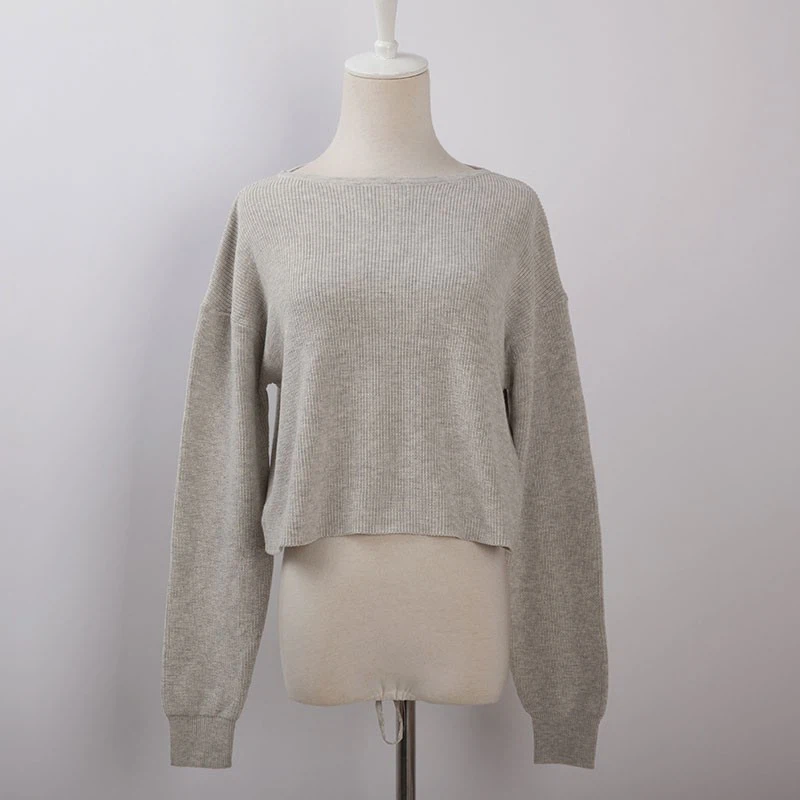
Now, let's talk about sustainable sweaters. As a supplier, I offer two main types of sustainable sweaters: Recycled Polyester Sweater and Organic Cotton Sweater.
Recycled Polyester Sweaters
Recycled polyester is made from post-consumer plastic waste, like plastic bottles. It's a great way to give new life to materials that would otherwise end up in landfills. But the question is, do recycled polyester sweaters shed fewer microplastics compared to regular polyester sweaters?
Well, the research is a bit mixed. On one hand, recycled polyester has the potential to shed fewer microplastics because the fibers are often shorter and less prone to breaking off during the manufacturing process. However, the shedding also depends on how the recycled polyester is processed and the quality of the final product.
Some studies have shown that the shedding rate of recycled polyester can be similar to that of virgin polyester, especially if the fabric is of low quality or if the manufacturing process is not optimized. But other research suggests that with proper treatment and finishing, recycled polyester sweaters can have a significantly lower microplastic shedding rate.
One of the key factors in reducing microplastic shedding from recycled polyester sweaters is the use of special finishing treatments. These treatments can help to seal the fibers and prevent them from breaking off during washing. For example, some manufacturers use a process called plasma treatment, which creates a thin layer on the surface of the fibers, making them more resistant to abrasion and shedding.
Another important aspect is the quality of the recycled polyester itself. Higher-quality recycled polyester is often made from better sources of plastic waste and undergoes more rigorous processing, resulting in stronger and more durable fibers. This can also contribute to a lower microplastic shedding rate.
Organic Cotton Sweaters
Organic cotton is grown without the use of synthetic pesticides, fertilizers, or genetically modified organisms (GMOs). It's a more sustainable alternative to conventional cotton, which can have a significant environmental impact due to the heavy use of chemicals.
The good news is that organic cotton sweaters generally have a much lower microplastic shedding rate compared to synthetic sweaters. Cotton is a natural fiber, so it doesn't release microplastics when it's washed. Instead, any fibers that do shed are biodegradable and won't accumulate in the environment like microplastics do.
However, it's important to note that organic cotton sweaters still have some environmental considerations. The production of cotton requires a significant amount of water, and the processing of the cotton into fabric can also involve the use of chemicals. But overall, organic cotton is a much more sustainable option when it comes to microplastic shedding.
Other Factors Affecting Microplastic Shedding
In addition to the type of material, there are other factors that can affect the microplastic shedding rate of sweaters. These include:
- Washing frequency and method: The more often you wash your sweaters, the more likely they are to shed microplastics. Using a gentle cycle and cold water can help to reduce shedding. Also, avoiding the use of fabric softeners and harsh detergents can be beneficial, as these can damage the fibers and increase shedding.
- Age and condition of the sweater: As sweaters get older and more worn, the fibers are more likely to break off. So, taking good care of your sweaters and replacing them when they start to show signs of wear can help to reduce microplastic shedding.
- Quality of the manufacturing: Well-made sweaters with tight weaves and proper finishing are less likely to shed microplastics. When choosing a sweater, look for high-quality construction and pay attention to the details.
Conclusion
So, do sustainable sweaters have a lower microplastic shedding? The answer is yes, in general. Organic cotton sweaters are a clear winner when it comes to minimizing microplastic shedding, as they are made from natural fibers that are biodegradable. Recycled polyester sweaters also have the potential to have a lower shedding rate, especially if they are made with high-quality materials and undergo proper finishing treatments.
As a supplier of sustainable sweaters, I'm committed to providing products that are not only stylish and comfortable but also environmentally friendly. I believe that by choosing sustainable sweaters, we can all do our part to reduce the amount of microplastics in our environment.
If you're interested in learning more about our sustainable sweaters or would like to discuss a potential purchase, I'd love to hear from you. Feel free to reach out, and let's start a conversation about how we can work together to make a positive impact on the planet.
References
- Browne, M. A., Crump, P., Niven, S. J., Teuten, E., Tonkin, A., Galloway, T. S., & Thompson, R. C. (2011). Accumulation of microplastic on shorelines worldwide: Sources and sinks. Environmental Science & Technology, 45(21), 9175-9179.
- Carney Almroth, B., Rothstein, L., & Malm, T. (2018). Microplastic release from textiles during household washing. Marine Pollution Bulletin, 132, 39-46.
- Rochman, C. M., Browne, M. A., & Halden, R. U. (2019). Microplastics in the marine environment: A review of sources, fate, effects, and emerging research needs. Annual Review of Environment and Resources, 44, 273-296.