

How do sustainable sweaters impact water usage?
Dec 05, 2025
As a supplier of sustainable sweaters, I've witnessed firsthand the growing demand for eco-friendly fashion. One of the most significant aspects of sustainability in sweater production is its impact on water usage. In this blog, I'll delve into how sustainable sweaters can make a difference in water conservation and why it matters.
The Water Footprint of Traditional Sweater Production
Traditional sweater production is a water-intensive process. From growing the raw materials to dyeing and finishing the final product, a substantial amount of water is consumed at every stage.
Cotton, one of the most commonly used materials for sweaters, is a particularly thirsty crop. Conventional cotton farming requires large amounts of water for irrigation, often in regions where water is scarce. According to the World Wildlife Fund, it can take up to 2,700 liters of water to produce just one cotton T-shirt. When it comes to sweaters, which typically use more fabric, the water footprint is even higher.
The dyeing and finishing processes also contribute significantly to water usage. Chemical dyes and treatments require large volumes of water to ensure proper color penetration and fixation. Additionally, the wastewater generated from these processes is often contaminated with harmful chemicals, which can pollute water sources if not properly treated.
How Sustainable Sweaters Reduce Water Usage
Sustainable sweaters, on the other hand, are designed to minimize water consumption throughout the production process. Here are some ways they achieve this:
1. Use of Sustainable Materials
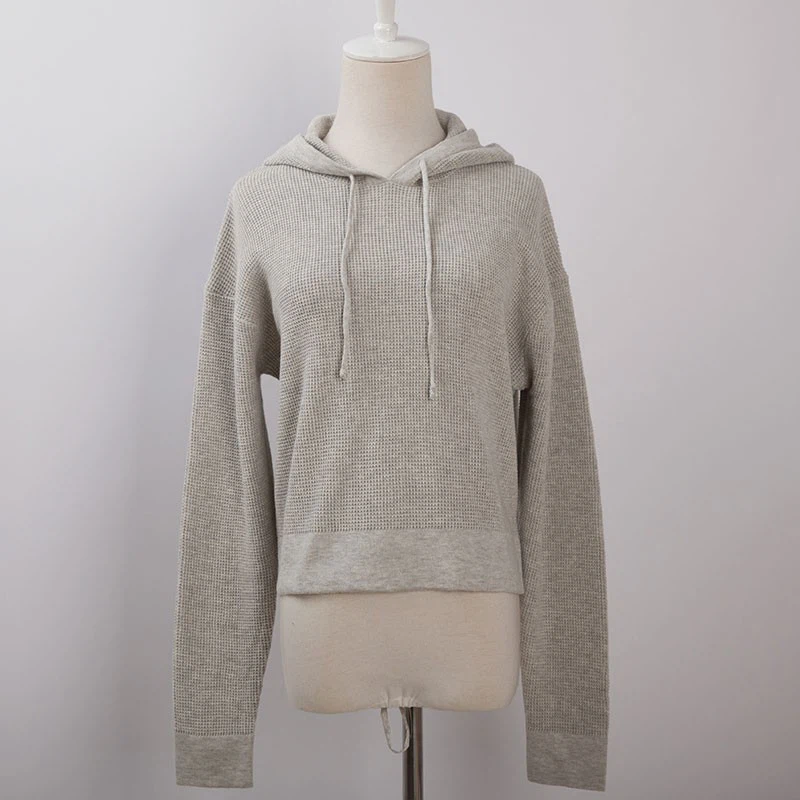
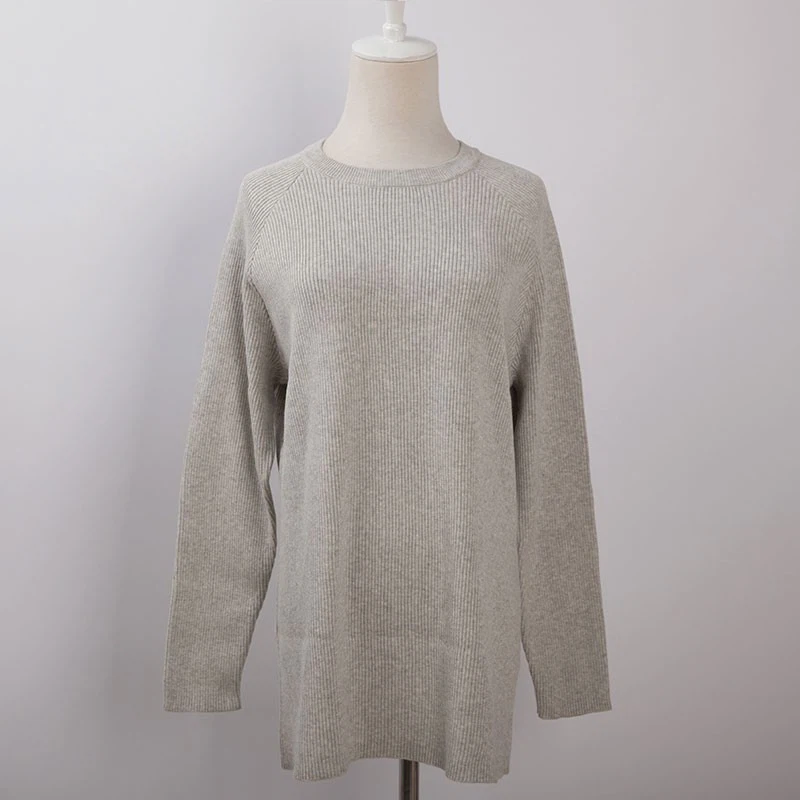
- Organic Cotton: Organic cotton is grown without the use of synthetic pesticides and fertilizers, which reduces the need for excessive irrigation. Organic farming practices also promote soil health, allowing the soil to retain water more effectively. By choosing Organic Cotton Sweater, consumers can support a more water-efficient and environmentally friendly cotton production system.
- Recycled Polyester: Recycled polyester is made from post-consumer plastic waste, such as PET bottles. The production of recycled polyester uses significantly less water compared to virgin polyester, as it eliminates the need for extracting and refining petroleum. Recycled Polyester Sweater not only reduces water usage but also helps to divert plastic waste from landfills.
- Other Sustainable Fibers: There are also other sustainable fibers available, such as bamboo, hemp, and Tencel. These fibers have a lower water footprint compared to traditional materials and offer unique properties, such as breathability and softness.
2. Water-Saving Production Techniques
- Low-Impact Dyeing: Sustainable sweater manufacturers are increasingly using low-impact dyes and dyeing techniques that require less water. These dyes are often made from natural or plant-based sources and are more environmentally friendly. Some manufacturers also use innovative dyeing methods, such as air dyeing, which uses up to 95% less water compared to traditional dyeing processes.
- Closed-Loop Systems: Closed-loop systems are another water-saving innovation in sweater production. These systems capture and recycle the water used in the dyeing and finishing processes, reducing water consumption and minimizing wastewater discharge. By implementing closed-loop systems, manufacturers can significantly reduce their water footprint and environmental impact.
3. Ethical and Transparent Supply Chains
- Responsible Sourcing: Sustainable sweater suppliers are committed to sourcing materials from ethical and sustainable suppliers. They work closely with farmers and manufacturers to ensure that water is used efficiently and responsibly throughout the supply chain. By supporting responsible sourcing, consumers can help to promote sustainable water management practices in the fashion industry.
- Certifications and Standards: Many sustainable sweater brands obtain certifications, such as the Global Organic Textile Standard (GOTS) or the Bluesign® system, to demonstrate their commitment to sustainability. These certifications ensure that the products meet strict environmental and social criteria, including water conservation.
The Benefits of Choosing Sustainable Sweaters
Choosing sustainable sweaters not only helps to conserve water but also offers several other benefits:
1. Environmental Protection
- Reduced Water Pollution: By using less water and minimizing the use of harmful chemicals, sustainable sweaters help to reduce water pollution. This protects water sources and ecosystems, ensuring a healthy environment for future generations.
- Lower Carbon Footprint: Sustainable sweater production often involves more energy-efficient processes and the use of renewable energy sources. This helps to reduce greenhouse gas emissions and mitigate the effects of climate change.
2. Social Responsibility
- Support for Ethical Practices: Sustainable sweater brands often prioritize fair labor practices and support the well-being of workers in the supply chain. By choosing sustainable sweaters, consumers can contribute to a more just and equitable fashion industry.
- Empowering Local Communities: Many sustainable sweater manufacturers source materials from local communities, providing economic opportunities and supporting local development.
3. Quality and Durability
- High-Quality Materials: Sustainable sweaters are typically made from high-quality materials that are designed to last. This means that consumers can enjoy their sweaters for longer, reducing the need for frequent replacements and minimizing waste.
- Better Fit and Comfort: Sustainable sweaters are often designed with attention to detail, ensuring a better fit and greater comfort. This makes them a more enjoyable and practical choice for everyday wear.
How Consumers Can Make a Difference
Consumers play a crucial role in driving the demand for sustainable sweaters and promoting water conservation in the fashion industry. Here are some ways consumers can make a difference:
1. Educate Yourself
- Learn About Sustainable Materials: Take the time to learn about different sustainable materials and their benefits. This will help you make informed choices when purchasing sweaters.
- Understand the Production Process: Familiarize yourself with the water-intensive steps involved in sweater production and look for brands that are committed to reducing their water footprint.
2. Choose Sustainable Brands
- Look for Certifications: Look for brands that have obtained certifications, such as GOTS or Bluesign®, to ensure that their products meet strict environmental and social criteria.
- Support Local and Ethical Brands: Consider supporting local and ethical brands that are transparent about their supply chain and production practices.
3. Care for Your Sweaters
- Follow Care Instructions: Follow the care instructions on your sweaters to ensure that they last longer and maintain their quality. This includes washing them in cold water and avoiding excessive drying.
- Repair and Reuse: Instead of throwing away your old sweaters, consider repairing them or repurposing them into something new. This helps to reduce waste and extend the lifespan of your clothing.
Conclusion
As a supplier of sustainable sweaters, I'm passionate about promoting water conservation in the fashion industry. By choosing sustainable sweaters, consumers can make a positive impact on the environment, support ethical practices, and enjoy high-quality and durable clothing. Whether you're looking for an Organic Cotton Sweater or a Recycled Polyester Sweater, there are many options available to suit your style and values.
If you're interested in learning more about our sustainable sweaters or would like to discuss a potential purchase, please don't hesitate to reach out. We're always happy to answer your questions and help you find the perfect sustainable sweater for your needs.
References
- World Wildlife Fund. (n.d.). The Water Footprint of Cotton. Retrieved from [Website URL]
- Textile Exchange. (n.d.). Organic Cotton Market Report. Retrieved from [Website URL]
- Bluesign® Technologies AG. (n.d.). The Bluesign® System. Retrieved from [Website URL]
- Global Organic Textile Standard (GOTS). (n.d.). What is GOTS? Retrieved from [Website URL]