

How to choose the right yarn for knitted accessories?
Dec 03, 2025
Hey there, fellow knitting enthusiasts! I'm a supplier of knitted accessories, and I've seen firsthand how the right yarn can make or break a project. Whether you're a seasoned pro or just starting out, choosing the perfect yarn for your knitted accessories is crucial. In this blog post, I'll share some tips and tricks to help you make the right choice.
Understanding Yarn Basics
Before we dive into the specifics of choosing yarn for knitted accessories, let's start with the basics. Yarn is typically made from fibers, which can be natural, synthetic, or a blend of both. Natural fibers include wool, cotton, silk, and cashmere, while synthetic fibers include acrylic, polyester, and nylon. Each type of fiber has its own unique properties, such as softness, durability, and absorbency.
When choosing yarn, it's important to consider the weight, or thickness, of the yarn. Yarn weights are typically classified on a scale from 0 (lace) to 7 (super bulky). The weight of the yarn you choose will depend on the type of accessory you're making and the look and feel you want to achieve. For example, a lightweight yarn is perfect for delicate scarves and shawls, while a bulky yarn is ideal for warm hats and mittens.
Factors to Consider When Choosing Yarn
Now that you have a basic understanding of yarn, let's take a look at some of the factors you should consider when choosing yarn for your knitted accessories.
1. Purpose of the Accessory
The first thing you need to consider is the purpose of the accessory you're making. Are you making a scarf to keep warm in the winter, or a pair of fingerless gloves to wear while typing? The purpose of the accessory will determine the type of yarn you need. For example, if you're making a winter scarf, you'll want to choose a warm and cozy yarn, such as wool or a wool blend. If you're making fingerless gloves for typing, you'll want to choose a lightweight and breathable yarn, such as cotton or a cotton blend.
2. Comfort
Comfort is another important factor to consider when choosing yarn for your knitted accessories. You'll want to choose a yarn that feels soft and comfortable against your skin. If you have sensitive skin, you may want to avoid yarns that contain wool or other fibers that can cause irritation. Instead, look for yarns that are made from natural fibers, such as cotton or silk, or synthetic fibers, such as acrylic or polyester, which are often hypoallergenic.
3. Durability
Durability is also an important consideration, especially if you're making accessories that will be worn frequently. You'll want to choose a yarn that is strong and durable, and that can withstand regular wear and tear. Wool and wool blends are often a good choice for durable accessories, as they are strong and resilient. Synthetic fibers, such as acrylic and polyester, are also durable and easy to care for.
4. Color and Style
The color and style of the yarn you choose will also play a role in the overall look and feel of your knitted accessories. You'll want to choose a color that complements your skin tone and personal style, and that will match the other items in your wardrobe. You can also choose a yarn with a unique texture or pattern to add interest and dimension to your accessories.
5. Cost
Finally, you'll want to consider the cost of the yarn. Yarn can vary in price depending on the type of fiber, the weight, and the brand. You'll want to choose a yarn that fits your budget, but that also meets your needs in terms of quality and performance. Keep in mind that you may be able to find high-quality yarns at a lower cost by shopping around or looking for sales and discounts.
Types of Yarn for Knitted Accessories
Now that you know what factors to consider when choosing yarn for your knitted accessories, let's take a look at some of the different types of yarn that are commonly used for this purpose.
1. Wool
Wool is one of the most popular fibers for knitted accessories, and for good reason. It's warm, soft, and durable, and it comes in a wide range of colors and textures. Wool is also naturally breathable, which means it can help regulate your body temperature and keep you comfortable in both warm and cold weather. Some popular types of wool for knitted accessories include merino wool, alpaca wool, and cashmere wool.
2. Cotton
Cotton is another popular fiber for knitted accessories, especially in the summer months. It's lightweight, breathable, and easy to care for, and it comes in a wide range of colors and patterns. Cotton is also hypoallergenic, which makes it a good choice for people with sensitive skin. Some popular types of cotton for knitted accessories include cotton blends, organic cotton, and bamboo cotton.
3. Acrylic
Acrylic is a synthetic fiber that is often used as a substitute for wool. It's lightweight, soft, and easy to care for, and it comes in a wide range of colors and textures. Acrylic is also affordable, which makes it a good choice for people on a budget. However, it's not as warm or durable as wool, and it may not be as breathable.
4. Silk
Silk is a luxurious fiber that is often used for high-end knitted accessories. It's soft, smooth, and shiny, and it has a natural sheen that gives it a elegant look and feel. Silk is also lightweight and breathable, which makes it a good choice for summer accessories. However, it's not as warm or durable as wool, and it can be expensive.

5. Blends
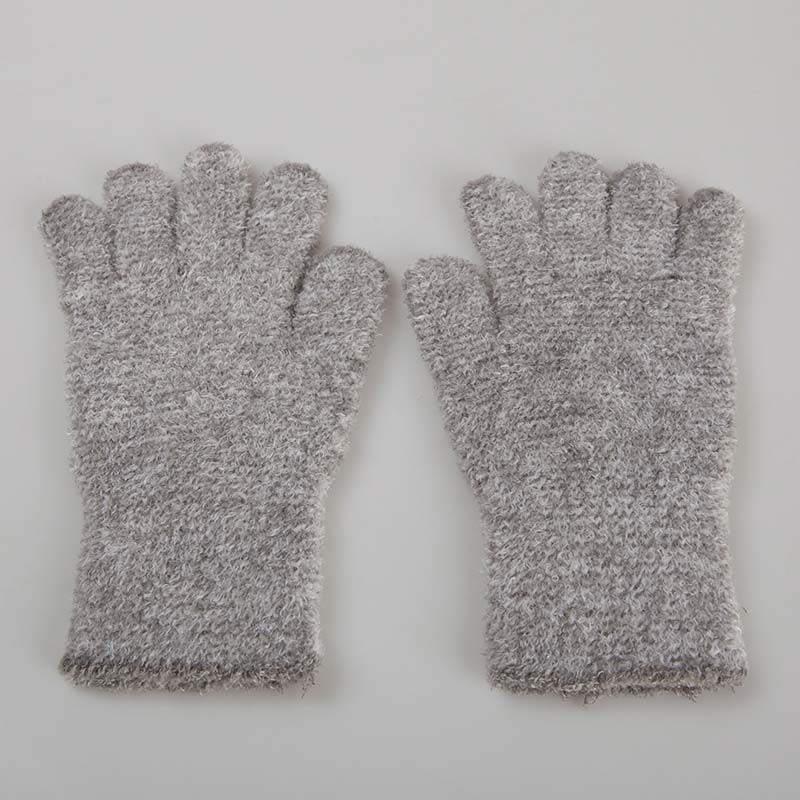
Blends are a combination of two or more fibers, and they offer the best of both worlds. For example, a wool-cotton blend may offer the warmth and durability of wool, with the softness and breathability of cotton. Blends can also be more affordable than pure fibers, and they may be easier to care for. Some popular types of blends for knitted accessories include wool-cotton blends, wool-acrylic blends, and cotton-silk blends.
Examples of Knitted Accessories and the Yarns to Use
Now that you know about the different types of yarn for knitted accessories, let's take a look at some examples of accessories and the yarns that are best suited for them.
1. Scarves
Scarves are a versatile accessory that can be worn in a variety of ways. For a warm and cozy winter scarf, you'll want to choose a thick and fluffy yarn, such as wool or a wool blend. Women's Knitted Hat For a lightweight and breathable summer scarf, you'll want to choose a thin and airy yarn, such as cotton or a cotton blend.
2. Hats
Hats are a great way to keep your head warm in the winter, and they can also add a stylish touch to your outfit. For a warm and cozy winter hat, you'll want to choose a thick and chunky yarn, such as wool or a wool blend. For a lightweight and breathable summer hat, you'll want to choose a thin and airy yarn, such as cotton or a cotton blend.
3. Gloves
Gloves are a practical accessory that can help keep your hands warm in the winter. For a warm and cozy pair of gloves, you'll want to choose a thick and fluffy yarn, such as wool or a wool blend. For a lightweight and breathable pair of gloves, you'll want to choose a thin and airy yarn, such as cotton or a cotton blend. Women's Knitted Gloves
4. Socks
Socks are a essential accessory that can help keep your feet warm and comfortable. For a warm and cozy pair of socks, you'll want to choose a thick and fluffy yarn, such as wool or a wool blend. For a lightweight and breathable pair of socks, you'll want to choose a thin and airy yarn, such as cotton or a cotton blend. Women's Slip Socks
Conclusion
Choosing the right yarn for your knitted accessories is an important decision that can have a big impact on the final outcome of your project. By considering the purpose of the accessory, the comfort, the durability, the color and style, and the cost, you can choose a yarn that meets your needs and helps you create a beautiful and functional accessory. Whether you're a seasoned pro or just starting out, I hope these tips and tricks will help you make the right choice.
If you're interested in purchasing high-quality yarns for your knitted accessories, or if you have any questions or need more information, please don't hesitate to contact me. I'm always happy to help!
References
- "The Knitter's Book of Yarn" by Clara Parkes
- "Stitch 'n Bitch: The Knitter's Handbook" by Debbie Stoller
- "The Happy Hooker: A Guide to Crochet" by Debbie Stoller