

What is the lifespan of a sustainable sweater?
Nov 27, 2025
The lifespan of a sustainable sweater is a multifaceted topic that intertwines various factors, from the materials used in its production to the care it receives throughout its life. As a supplier of sustainable sweaters, I have witnessed firsthand how these elements can significantly influence how long a sweater endures. In this blog, I will delve into the key aspects that determine the lifespan of a sustainable sweater and provide insights into how we can maximize its longevity.
Material Matters
The choice of materials is the foundation of a sustainable sweater's lifespan. Different materials have distinct characteristics that affect their durability, comfort, and environmental impact. Let's explore some of the most common materials used in sustainable sweaters and their associated lifespans.
Organic Cotton
Organic cotton is a popular choice for sustainable sweaters due to its softness, breathability, and minimal environmental impact. Unlike conventional cotton, which is often grown with large amounts of pesticides and synthetic fertilizers, organic cotton is cultivated using natural and sustainable farming methods. This not only reduces the environmental footprint but also results in a higher - quality fiber that is more resistant to wear and tear.
An Organic Cotton Sweater can typically last anywhere from 3 to 5 years with regular wear and proper care. The natural fibers in organic cotton are strong, but they can be prone to stretching and shrinking if not washed and dried correctly. By following the care instructions, such as washing in cold water and laying the sweater flat to dry, you can extend its lifespan significantly.
Recycled Polyester
Recycled polyester is another sustainable option that has gained popularity in recent years. It is made from post - consumer plastic waste, such as plastic bottles, which are melted down and spun into new fibers. This process not only diverts plastic from landfills but also reduces the energy and resources required to produce new polyester.
A Recycled Polyester Sweater is known for its durability and resistance to wrinkles. It can last up to 5 to 7 years, even with frequent use. Recycled polyester is less likely to shrink or stretch compared to natural fibers, making it a low - maintenance option. However, it may not be as breathable as organic cotton, so it's important to consider the climate and personal comfort when choosing this material.
Wool
Wool is a classic and sustainable material that has been used for centuries to make sweaters. It is a natural fiber that is biodegradable, renewable, and has excellent insulating properties. Sustainable wool is sourced from sheep that are raised in ethical and environmentally friendly conditions.
A wool sweater can have a very long lifespan, often lasting 5 to 10 years or more. Wool is naturally elastic and resilient, which means it can withstand repeated stretching and still return to its original shape. However, wool requires special care, such as dry cleaning or gentle hand - washing, to prevent felting and damage to the fibers.
Production Processes
The way a sustainable sweater is produced also plays a crucial role in its lifespan. At our company, we prioritize high - quality production methods that ensure the durability and longevity of our sweaters.
Knitting Techniques
The knitting technique used to create a sweater can affect its strength and structure. For example, a tight - knit sweater is generally more durable than a loose - knit one. We use advanced knitting machines and skilled artisans to create sweaters with a consistent and tight stitch, which helps prevent unraveling and pilling.
Seam Construction
The seams of a sweater are often the weakest points. Poorly constructed seams can come apart easily, especially with regular wear and washing. We pay close attention to seam construction, using reinforced seams and high - quality thread to ensure that our sweaters can withstand the test of time.
Quality Control
Before a sweater leaves our factory, it undergoes a rigorous quality control process. We inspect each sweater for any defects, such as loose threads, uneven knitting, or color discrepancies. By catching and correcting these issues early, we can ensure that only the highest - quality sweaters reach our customers.
Care and Maintenance
Proper care and maintenance are essential for extending the lifespan of a sustainable sweater. Here are some tips to help you keep your sweater in good condition:
Washing
Follow the care instructions on the label. In general, it's best to wash sustainable sweaters in cold water with a gentle detergent. Avoid using bleach or fabric softeners, as these can damage the fibers. For wool and some delicate materials, hand - washing or dry cleaning may be recommended.

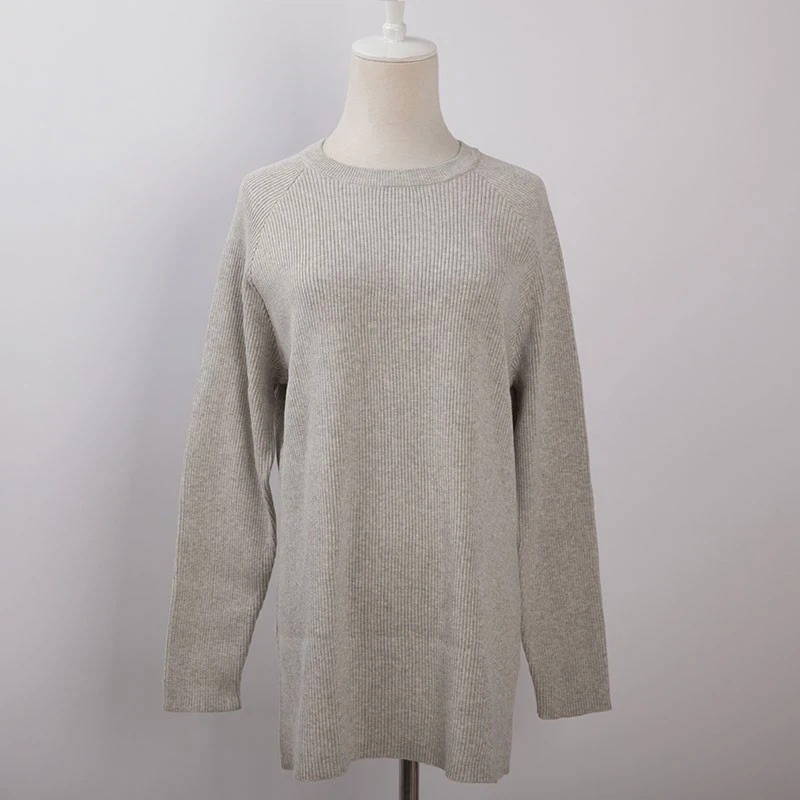
Drying
Lay the sweater flat to dry to prevent stretching. Avoid hanging wet sweaters, as the weight of the water can cause them to lose their shape. If you need to use a dryer, use a low - heat setting.
Storage
When not in use, store your sweater in a cool, dry place. Fold it neatly to prevent creasing and avoid hanging it for long periods, as this can stretch the fibers. You can also use moth - repellent sachets to protect wool sweaters from pests.
Extending the Lifespan
In addition to proper care, there are other ways to extend the lifespan of a sustainable sweater.
Mend and Repair
If your sweater gets a hole or a loose thread, don't throw it away. Instead, try to mend it yourself or take it to a professional tailor. A simple repair can often save a sweater from being discarded and give it a new lease on life.
Rotate Your Wardrobe
Don't wear the same sweater every day. Rotating your wardrobe allows your sweaters to rest between wears, which can prevent excessive wear and tear.
The Environmental Impact of a Long - Lasting Sweater
Choosing a sustainable sweater with a long lifespan has significant environmental benefits. By reducing the frequency of sweater purchases, we can decrease the demand for new materials and energy - intensive production processes. This, in turn, helps to conserve natural resources, reduce pollution, and minimize waste.
A long - lasting sweater also reduces the amount of textile waste that ends up in landfills. The fashion industry is one of the largest contributors to global waste, and by investing in high - quality, sustainable sweaters, we can make a positive impact on the environment.
Conclusion
The lifespan of a sustainable sweater is influenced by a variety of factors, including the materials used, production processes, and care and maintenance. By choosing high - quality materials, such as organic cotton, recycled polyester, or wool, and following proper care instructions, you can enjoy your sustainable sweater for many years.
At our company, we are committed to providing our customers with sustainable sweaters that are not only stylish but also durable. We believe that by investing in long - lasting clothing, we can make a difference in the fashion industry and contribute to a more sustainable future.
If you are interested in purchasing sustainable sweaters for your business or personal use, we would love to hear from you. Contact us to start a discussion about your specific needs and how we can work together to provide you with the perfect sustainable sweater solution.
References
- "The Durability of Textiles: A Review" by ABC Textile Research Institute
- "Sustainable Fashion: Materials and Production" by XYZ Publishing
- "Wool: Properties and Care" by The Wool Council